Natural-Looking Face & Neck Lift Surgery and Personalized Anti-Aging Care in Apgujeong, Gangnam, Seoul
4.1 ★ Google · Board-Certified Plastic Surgeon
en-US

Skin & Laser Treatments · Consultation Required
3D Ulthera Lift
3D Ulthera Lift uses micro-focused ultrasound (MFU) with real-time ultrasound imaging to deliver heating energy to multiple depths of facial tissue, stimulating the skin's own collagen remodeling process over the following months.
Schedule a Consultation
3D Ulthera Lift

Reviewer Details
Medically reviewed by Dr. Choi deokho, Representative Director & Plastic Surgeon, Good-Line Plastic Surgery Clinic.
Registered as the clinic's legal representative in the Korean National Tax Service registry, Full Member of the Korean Society of Plastic and Reconstructive Surgeons · Last reviewed 2026-08-18 · Good-Line Plastic Surgery Clinic, Gangnam-gu, Seoul.
3D Ulthera Lift is a non-surgical skin lifting and tightening treatment that uses focused ultrasound energy to stimulate collagen production deep within the skin, including the SMAS (Superficial Musculoaponeurotic System) layer that surgical facelifts also target. At Good-Line Plastic Surgery Clinic, it is used to lift sagging skin, improve facial contour, and soften mild wrinkles without an incision.
What Is 3D Ulthera Lift?
3D Ulthera Lift uses micro-focused ultrasound (MFU) with real-time ultrasound imaging to deliver heating energy to multiple depths of facial tissue, stimulating the skin's own collagen remodeling process over the following months.
Uses the authentic Ulthera (Ultherapy®) system with DeepSEE® real-time ultrasound visualization to confirm treatment depth before energy is delivered.
Targets multiple tissue layers in a single session, including the SMAS layer that lies beneath the skin's surface, without cutting or lifting the skin surgically.
Delivered as a single outpatient session typically lasting 30 to 90 minutes, depending on the treatment area selected.
Most patients require only topical numbing cream, with treatment generally involving little to no recovery downtime.
Most patients need only one session per year, with maintenance treatments considered individually as skin continues to age.
Who Performs 3D Ulthera Lift at Good-Line Plastic Surgery Clinic

Dr. Choi deokho
Representative Director and plastic surgeon
Dr. Choi deokho is the Representative Director and plastic surgeon at Good-Line Plastic Surgery Clinic, with approximately 25 years associated with the clinic since its establishment in 2001. His stated core specializations include facial plastic surgery and facial rejuvenation, alongside rhinoplasty and facial contouring, and he holds full membership in the Korean Society of Plastic and Reconstructive Surgeons, the Korean Society for Microsurgery, the Korean Cleft Palate-Craniofacial Association, the Japan Society of Aesthetic Plastic Surgery, the American Society of Aesthetic Plastic Surgery, and the International Society of Aesthetic Plastic Surgery. Before recommending 3D Ulthera Lift, he evaluates each patient's skin laxity, facial anatomy, degree of collagen loss, treatment goals, medical history, and any previous cosmetic procedures, since these factors determine both the treatment plan and whether Ulthera alone — or Ulthera combined with another modality — will produce the most appropriate result.
Because focused ultrasound is only one of several energy-based technologies the clinic offers, part of Dr. Choi's role during consultation is confirming that Ulthera specifically addresses the concern a patient describes, rather than proceeding directly to whichever treatment a patient names first. A patient requesting Ulthera to address visible pigmentation, for example, is redirected toward ND-YAG laser instead, since focused ultrasound has essentially no effect on surface pigment; a patient whose sagging is more advanced than mild-to-moderate laxity is counseled candidly that a surgical facelift consultation is likely to produce a more meaningful and lasting result than any non-surgical energy-based treatment. This matching process — confirming that the technology fits the concern, not simply approving whichever treatment name a patient arrives with — is treated as a core part of the consultation.
3D Ulthera Lift Options Available
Treatment area selection meaningfully changes what a given 3D Ulthera Lift session is designed to accomplish, since the brow, cheeks, jawline, and neck each present different tissue thickness and different underlying structures that the real-time ultrasound imaging must account for before energy is delivered.
Brow & Upper Face | Cheeks & Mid-Face | Jawline & Lower Face | Neck |
|---|---|---|---|
Targets sagging brow and upper eyelid hooding via SMAS-layer lifting | Targets sagging cheek tissue and reduces mild nasolabial fold depth | Targets jowl formation and restores a more defined jawline contour | Targets loose neck skin and vertical banding for a smoother profile |
Best for patients with drooping eyebrows or early upper-eyelid heaviness | Best for patients with early mid-face descent and volume-related sagging | Best for patients whose primary complaint is a lost jawline definition | Best for patients with mild-to-moderate horizontal or vertical neck laxity |
Single session, real-time imaging confirms depth before each pass | Single session; often combined with jawline treatment in the same visit | Frequently the area patients request first; pairs well with neck treatment | Can be treated alone or combined with any of the facial zones above |
Patients frequently ask whether a single Ulthera session can address the whole face and neck at once, or whether treatment should be staged by area. In practice, the physician typically maps each zone individually during the consultation and treats the areas of greatest concern in one visit, since the ultrasound imaging and energy delivery are applied zone by zone regardless of how many areas are addressed in the same appointment. A patient whose primary concern is jawline definition, for instance, does not necessarily need brow treatment in the same session, while a patient pursuing more comprehensive rejuvenation may reasonably combine several zones in one visit if time and skin condition allow. The clinic's customization of the technique according to each patient's facial anatomy and degree of skin laxity means that no two treatment plans target the exact same combination of depths and zones, even when two patients are both described as candidates for "3D Ulthera Lift."
Who Is a Good Candidate for 3D Ulthera Lift?
Adults with mild-to-moderate skin laxity, early facial sagging, or loss of jawline definition seeking a lifting effect without surgery.
Patients with drooping eyebrows or loose neck skin who want improved contour without an incision.
Patients seeking facial rejuvenation who have realistic expectations about a gradual, natural-looking result rather than a dramatic surgical change.
Generally healthy individuals without open wounds, severe active acne, or active skin infection in the treatment area.
Patients without metal implants or a pacemaker in the treatment area, since these can be a contraindication for energy-based ultrasound treatment.
Patients with significant excess skin that genuinely requires surgical correction are generally better served by a surgical facelift consultation than by 3D Ulthera Lift alone.
What to Expect: Procedure, Recovery, and Results Timeline
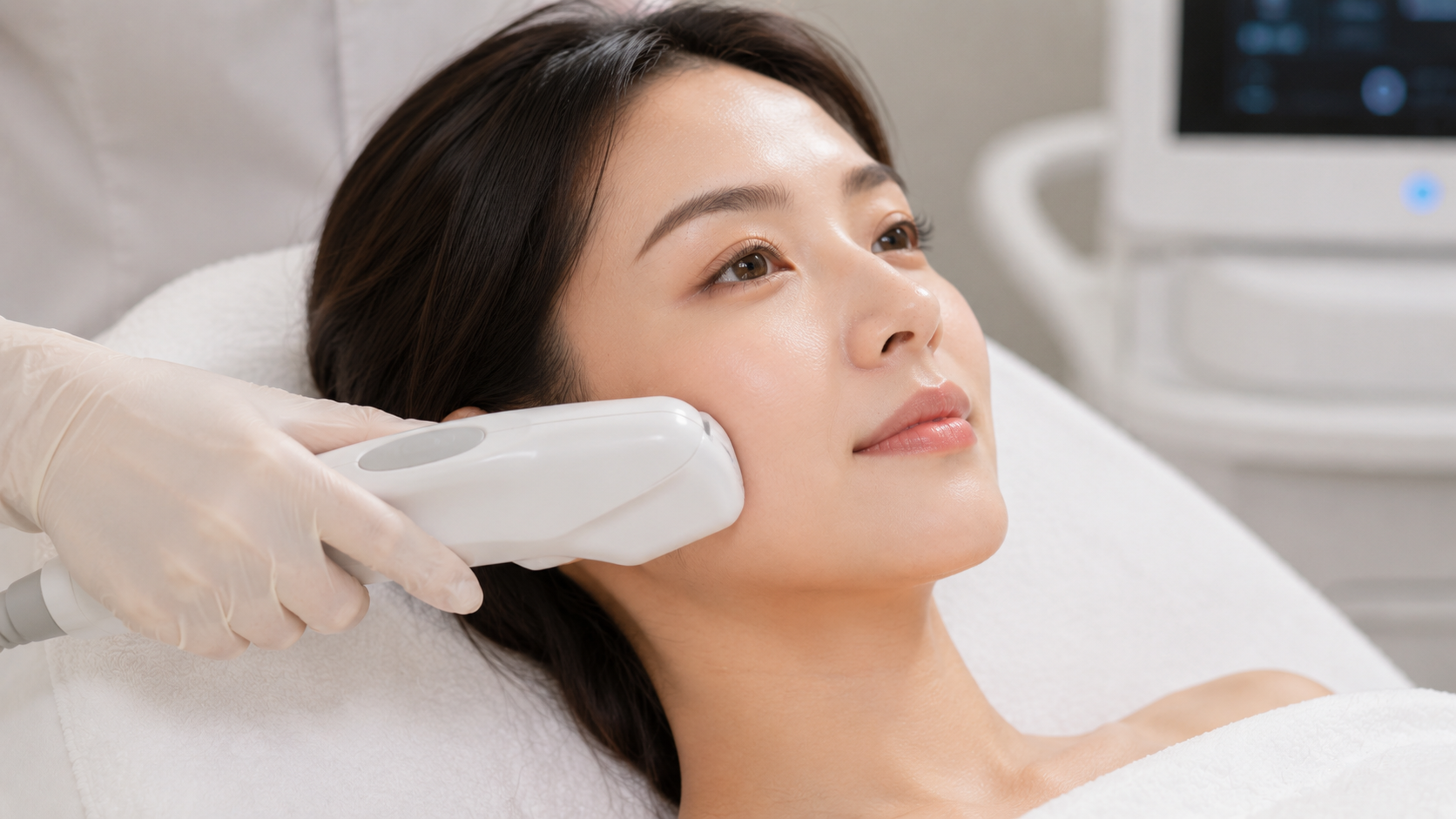
Preparation is comparatively minimal: patients are asked to avoid excessive sun exposure beforehand, disclose current medications and any implants, discontinue irritating skincare products if instructed, arrive with clean skin free of makeup, and discuss any previous cosmetic procedures during consultation, since prior treatments can affect how the skin responds to focused ultrasound.
Stage | What typically happens |
|---|---|
Day 0 | Cleansing, topical numbing cream if needed, ultrasound imaging confirms treatment depth, focused ultrasound energy delivered zone by zone, patient returns home immediately |
Day 1-3 | Mild redness, tenderness, tingling, or slight swelling in the treated area; most patients resume all normal activity right away |
Day 5-10 | Any residual tenderness or mild bruising typically resolves; some patients notice an early, subtle tightening sensation |
Week 4-8 | Collagen remodeling begins developing gradually; initial improvement in skin firmness becomes noticeable |
Month 12+ | Peak improvement (reached around month 3-6) has typically settled; results commonly last 12-18 months depending on age, skin quality, and lifestyle, after which maintenance treatment is considered |
The procedure itself proceeds in a consistent sequence: a facial assessment during consultation, cleansing of the treatment area, application of topical numbing cream where needed, ultrasound imaging to identify the correct treatment depth, delivery of focused ultrasound energy to the targeted tissue layers, and removal of cooling gel before the patient returns home the same day. Most patients describe the sensation during treatment as warmth, tingling, or brief discomfort as energy is delivered, and oral pain medication can be offered to more sensitive patients on request.
Recovery is generally described by the clinic as involving little to no downtime: mild redness typically resolves within a few hours, while tenderness or slight swelling can last several days in some patients. Because 3D Ulthera Lift stimulates a biological collagen-remodeling process rather than repositioning tissue mechanically, visible improvement is intentionally gradual — some patients notice mild tightening immediately after treatment, but the more meaningful change develops over two to three months, with peak improvement typically seen around three to six months post-treatment. Aftercare instructions commonly include resuming a normal skincare routine unless told otherwise, applying sunscreen daily, avoiding excessive heat or sun exposure for several days, staying hydrated, and attending any scheduled follow-up visits, though follow-up requirements for this particular treatment are generally minimal given its non-invasive nature.
International patients researching non-surgical treatments in Korea often ask how travel logistics work around a single-day, non-surgical treatment like this. Because there is no surgical incision and no meaningful recovery downtime, a short stay of one to two days is generally sufficient to cover consultation and treatment, and overseas patients frequently schedule the treatment itself on the same day as the initial consultation. Cabin pressure changes during air travel do not affect the ultrasound energy already delivered to the tissue, so patients can typically fly home immediately or the day after treatment, with no surgical dressing or stitches to manage while traveling.
Combining 3D Ulthera Lift with Other Treatments
Frequently combined with Thermage radiofrequency treatment in the same visit for patients addressing both deeper lifting and overall surface firmness, since the two technologies work at different depths without significantly overlapping recovery demands. Patients considering this combination can review the clinic's Thermage Skin Tightening page.
Often paired with Secret RF microneedling or Fraxel fractional laser for patients who want to address skin texture, fine lines, or photodamage alongside the lifting effect.
Can be combined with injectable treatments such as Botox, dermal fillers, or skin boosters when volume loss or dynamic wrinkles are a concern in addition to laxity.
Sometimes planned alongside PRP or thread lifting as part of a broader, individually sequenced facial rejuvenation plan, with the appropriate order and spacing between treatments determined by the physician based on the specific combination involved.
Safety, Precision, and Clinic Standards
Good-Line Plastic Surgery Clinic is a Registered Medical Institution for Attracting Foreign Patients, certified by Korea's Ministry of Health and Welfare under the Medical Overseas Expansion and Foreign Patients Attraction Act. Dr. Choi deokho is a full member of the Korean Society of Plastic and Reconstructive Surgeons. The clinic uses the authentic Ulthera (Ultherapy®) system with DeepSEE® real-time ultrasound visualization, which allows the treating physician to confirm exact tissue depth before energy is delivered rather than estimating it. Patients are screened for metal implants or a pacemaker in the treatment area, active skin infection, open wounds, and severe active acne before treatment is scheduled. As with any energy-based treatment, temporary redness, swelling, tenderness, tingling, bruising, mild numbness, or soreness are possible, and rare, temporary nerve irritation has also been reported with focused ultrasound treatment generally; serious complications are uncommon when the treatment is performed by a trained physician (see ASPS — Nonsurgical Facelift).
Correct patient selection is treated as central to both safety and results. 3D Ulthera Lift is not recommended for patients whose skin laxity is significant enough to require surgical correction, since applying focused ultrasound to a case beyond its intended scope tends to produce only a brief, modest improvement rather than a meaningful lasting result, and can leave a patient with an unrealistic sense of what non-surgical treatment can achieve. Patients with active skin infection, open wounds, or certain medical conditions are asked to consult the physician about postponing treatment rather than proceeding on schedule regardless of skin condition. The real-time ultrasound imaging used throughout the procedure exists specifically to let the physician confirm depth and avoid critical underlying structures such as nerves and blood vessels, rather than delivering energy at a fixed, unverified depth.
Equipment maintenance is also part of the clinic's safety standard for this treatment. Because the Ulthera system's therapeutic effect depends on accurately delivering ultrasound energy to a specific depth, the device is serviced on a manufacturer-specified schedule and its output verified before treatment days, since drift in energy calibration is one of the more common preventable causes of both under-treatment and unnecessary side effects with focused-ultrasound devices generally. Follow-up for 3D Ulthera Lift specifically is comparatively light given the treatment's non-invasive nature, but the clinic offers online video consultations and message-based check-ins for international patients who have returned home and have a concern or question about their results.
The Bottom Line
3D Ulthera Lift uses focused ultrasound (HIFU/MFU) with real-time imaging to lift and tighten skin at the SMAS layer without surgery.
Treatment is customized by facial zone — brow, cheeks, jawline, or neck — based on each patient's specific anatomy and degree of laxity.
Recovery involves little to no downtime, with collagen-driven improvement developing gradually over two to three months and peaking around three to six months.
Results commonly last 12 to 18 months, and most patients need only one annual session, with maintenance considered individually.
Reviewed and performed under Dr. Choi deokho, an experienced plastic surgeon with roughly 25 years at Good-Line Plastic Surgery Clinic.
Frequently Asked Questions
Is 3D Ulthera Lift the same as a surgical facelift? No. 3D Ulthera Lift is a non-surgical treatment that uses focused ultrasound to stimulate the skin's own collagen at the SMAS layer, producing a gradual, modest lift, while a surgical facelift physically repositions tissue and typically achieves a more dramatic, longer-lasting correction. Patients with more advanced sagging are generally counseled toward a surgical consultation instead.
How long does a 3D Ulthera Lift session take? Treatment usually takes about 30 to 90 minutes, depending on how many facial zones — brow, cheeks, jawline, or neck — are being treated in that session.
Is 3D Ulthera Lift painful? Most patients describe warmth, tingling, or brief discomfort as the ultrasound energy is delivered, rather than significant pain. Topical numbing cream is commonly used, and oral pain medication can be offered to more sensitive patients.
How soon will I see results, and how long do they last? Some mild tightening can be noticeable immediately, but the more meaningful collagen-driven improvement develops gradually over two to three months, with peak improvement typically seen around three to six months. Results commonly last 12 to 18 months, depending on age, skin quality, and lifestyle.
What areas can 3D Ulthera Lift treat? The treatment is commonly used on the brow, cheeks and mid-face, jawline, and neck, with the physician selecting and customizing the zones treated according to each patient's specific concerns and facial anatomy.
Can 3D Ulthera Lift be combined with other treatments? Yes — it is frequently combined with Thermage, Secret RF microneedling, Fraxel laser, Botox, dermal fillers, skin boosters, PRP, or thread lifting, with the appropriate combination and sequencing determined individually during consultation.
How many days should I plan to stay in Korea for 3D Ulthera Lift? Since there is no surgical incision and generally no recovery downtime, a short stay of one to two days is usually sufficient for consultation and treatment, and many overseas patients schedule treatment on the same day as their initial consultation.
When can I fly home after treatment? Most patients can fly home immediately or the day after treatment, since cabin pressure changes do not affect ultrasound energy already delivered to the tissue, and there are no stitches or surgical dressings to manage while traveling.
Who should avoid or postpone 3D Ulthera Lift? Patients with active skin infection, open wounds, severe active acne, metal implants or a pacemaker in the treatment area, or significant excess skin requiring surgical correction may not be suitable candidates, and should discuss timing and alternatives with the physician.
Book a Consultation at Good-Line Plastic Surgery Clinic
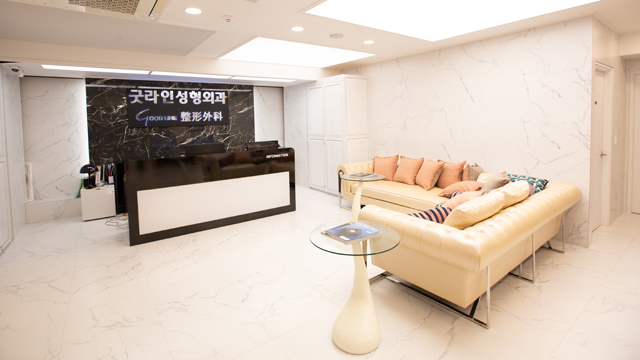
To discuss whether 3D Ulthera Lift — alone or combined with another treatment — fits your specific skin concerns and goals, contact Good-Line Plastic Surgery Clinic in Gangnam-gu, Seoul at +82 2 543 1830 or through the clinic's online contact form. A consultation with Dr. Choi deokho is the most reliable way to determine whether Ulthera alone, or Ulthera in combination with another modality, best matches your degree of skin laxity.
Disclaimer
This page is for general informational purposes and does not constitute individualized medical advice. Candidacy, technique, and expected outcomes can only be determined through a consultation with a qualified physician.
Sources & Further Reading
Other Services
Explore additional treatments offered by our specialists.

Under-Eye Fat Repositioning
Under-eye fat repositioning is a transconjunctival lower-eyelid procedure that redistributes — rather than discards — the fat compartments beneath the eye, moving them around the orbital bone to correct hollowing and bulging caused by aging skeletal and.
Learn More

TRIPLE CELL
TRIPLE CELL is a non-invasive, radiofrequency-based skin treatment designed to deliver energy into different layers of the skin to support hydration, elasticity, and collagen-related skin recovery.
Learn More

Thermage Skin Tightening
Thermage Skin Tightening is a non-surgical radiofrequency treatment that heats targeted tissue beneath the skin to stimulate collagen remodeling, improving the appearance of mild-to-moderate skin laxity.
Learn More