Natural-Looking Face & Neck Lift Surgery and Personalized Anti-Aging Care in Apgujeong, Gangnam, Seoul
4.1 ★ Google · Board-Certified Plastic Surgeon
en-US

Specialty Overview
Nose Surgery
Rhinoplasty is a surgical procedure that corrects or refines the structure of the nose — its bridge, height, width, tip, or overall proportion.
Schedule a Consultation
Rhinoplasty (Nose Reshaping Surgery) and Nose Surgery

Reviewer Details
Medically reviewed by Dr. Choi deokho, Representative Director & Plastic Surgeon, Good-Line Plastic Surgery Clinic.
Registered as the clinic's legal representative in the Korean National Tax Service registry, Full Member of the Korean Society of Plastic and Reconstructive Surgeons · Last reviewed 2026-08-18 · Good-Line Plastic Surgery Clinic, Gangnam-gu, Seoul.
Rhinoplasty (Nose Reshaping Surgery) at Good-Line Plastic Surgery Clinic in Seoul reshapes the bridge, height, width, and tip of the nose using bone or cartilage grafting, implant placement, or injectable techniques to improve facial harmony and, in some cases, nasal breathing. The clinic's nose surgery program spans primary rhinoplasty, revision rhinoplasty for a prior unsatisfactory result, and non-surgical filler rhinoplasty for patients who want a temporary, non-invasive change instead of an operation.
What Is Rhinoplasty (Nose Reshaping Surgery)?
Rhinoplasty is a surgical procedure that corrects or refines the structure of the nose — its bridge, height, width, tip, or overall proportion — so that it sits in better balance with the rest of the face, and can also address impaired nasal breathing where a structural cause is present.
Reshapes a low, flat, wide, hooked, or asymmetric nose using an appropriate implant or graft material selected for the patient.
Corrects the bridge, height, shape, and tip together, evaluated in relation to the forehead, philtrum, and overall facial proportions rather than in isolation.
Is generally performed through hidden internal incisions or a small columellar incision, depending on the surgical approach.
Can, in appropriate cases, improve nasal airflow alongside the aesthetic correction.
Sits alongside two related options at the clinic: revision rhinoplasty for patients unhappy with a previous nose surgery, and non-surgical filler rhinoplasty for patients seeking a quick, temporary adjustment without surgery.
Who Performs Rhinoplasty at Good-Line Plastic Surgery Clinic

Dr. Choi Deokho, M.D.
Board-Certified Plastic Surgeon
Dr. Choi deokho is the Representative Director and plastic surgeon at Good-Line Plastic Surgery Clinic, with approximately 25 years associated with the clinic since its establishment on May 25, 2001. His stated core specializations include facial plastic surgery, with a particular focus on rhinoplasty and revision rhinoplasty, alongside eye surgery and eye revision, and facial contouring. He holds full membership in the Korean Society of Plastic and Reconstructive Surgeons, the Korean Society for Microsurgery, the Korean Cleft Palate-Craniofacial Association, the Japan Society of Aesthetic Plastic Surgery, the American Society of Aesthetic Plastic Surgery, and the International Society of Aesthetic Plastic Surgery. Patients considering nose surgery are evaluated according to nasal structure, skin thickness, and facial proportions before a technique and material are recommended.
Because rhinoplasty at Good-Line spans a first-time cosmetic reshaping, a functional correction of the nasal airway, a full revision of a previous procedure performed elsewhere, and a non-surgical filler option, Dr. Choi's evaluation process places significant weight on identifying which category a patient's concern genuinely falls into before recommending an approach. A patient requesting "a higher bridge" who is actually describing dissatisfaction with an existing implant from a prior surgery is evaluated as a revision case, not a primary rhinoplasty, since existing scar tissue and implant condition change what is surgically appropriate. Similarly, a patient reluctant to undergo surgery, or without enough time in Korea for a full surgical recovery, may be a better fit for non-surgical filler rhinoplasty than for an operation — a distinction the clinic treats as central to the consultation rather than a formality before booking a specific procedure.
Rhinoplasty Options Available at Good-Line Plastic Surgery Clinic
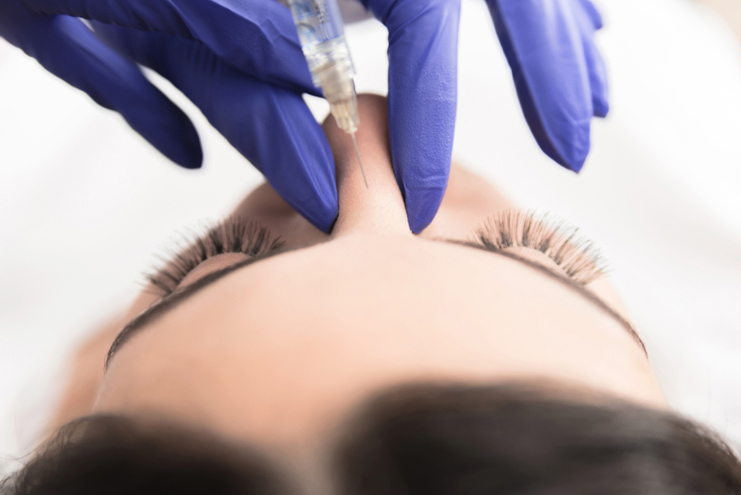
Primary Rhinoplasty | Revision Rhinoplasty | Non-Surgical Filler Rhinoplasty |
|---|---|---|
Surgical reshaping of the bridge, height, shape, and tip using an implant, autologous cartilage graft, or a combination, selected according to facial proportions | Surgical correction of a prior rhinoplasty — addresses implant exposure, movement, a hard or crooked nose, or nasal-tip color change, often using autologous tissue | Injectable dermal filler added to selected areas of the nose to increase volume or smooth contour, without an incision |
Best for patients with a low or flat bridge, wide or short nose, underdeveloped tip, or overall facial-balance concerns | Best for patients with complications or dissatisfaction from a previous nose surgery, once healing from that surgery is complete | Best for a low nasal bridge, patients reluctant to undergo surgery, or limited time available for a surgical recovery |
Local or general anesthesia; commonly 1-3 hours; outpatient with follow-up at 1 week, 1 month, and 6 months | Local anesthesia with sedation or general anesthesia; commonly 2-4 hours given scar tissue and altered anatomy; similar follow-up schedule | Local or topical numbing only; approximately 10-30 minutes; no incision and no significant downtime |
Beyond these three primary options, the clinic's approach to primary rhinoplasty involves evaluating the nose together with the forehead, philtrum, facial shape, and overall proportions before selecting a surgical method and implant or graft material, since a bridge or tip correction planned in isolation from the rest of the face can look disproportionate even when the nose itself is technically well shaped. Revision rhinoplasty specifically addresses problems such as implant visibility or exposure, implant movement or displacement, inflammation, a nose that has become hard to the touch, a crooked bridge, or discoloration at the nasal tip; depending on the issue, the surgical plan may involve removing a problematic prosthesis, correcting the underlying nasal structure, and covering or reconstructing tissue using the patient's own cartilage or dermal fat rather than reinserting a new implant of the same type. Because revision surgery works with tissue that has already been operated on once, it is generally a longer and more technically demanding procedure than a first-time rhinoplasty.
Non-surgical filler rhinoplasty is offered as a genuinely separate, non-surgical category rather than a lesser version of surgery: it uses injectable filler to add volume to a sunken bridge or refine the appearance of selected areas, producing a visible change within about ten minutes, with less swelling and bruising than an operation and results that typically last six to eighteen months before the filler gradually metabolizes. It is not positioned as interchangeable with surgical rhinoplasty for every patient — the clinic specifically cautions that filler injected into the nasal tip can carry added risk in a patient who has previously had incisional nose surgery, which is one of several reasons the choice between filler and surgery is made after an individual evaluation rather than by patient preference alone. Choosing among the three categories is, in short, a clinical decision grounded in nasal structure, prior surgical history, skin thickness, and the amount of time realistically available for recovery, not a simple menu selection.
Who Is a Good Candidate for Rhinoplasty?
Adults dissatisfied with the height, bridge, width, shape, or tip projection of the nose, who are in good general health with realistic expectations, for primary rhinoplasty.
Patients with a low, flat, wide, hooked, or underdeveloped nose seeking improved facial balance, for primary rhinoplasty.
Patients with persistent cosmetic or functional concerns after a previous rhinoplasty — including implant issues, asymmetry, or breathing difficulty — whose nose has sufficiently healed from the earlier surgery, for revision rhinoplasty.
Patients with a sunken nasal bridge or wide nostrils wanting a quick, temporary volume adjustment, or with limited time for a surgical recovery, for non-surgical filler rhinoplasty.
Generally healthy individuals without active infection, uncontrolled systemic illness, or bleeding disorders, and who are not pregnant.
Patients with adequate planned recovery and travel time before flying home, since insufficient time before departure can affect suitability for surgery specifically.
Not suitable candidates generally include those with unrealistic expectations about the outcome, or medical conditions that make surgery or anesthesia unsafe, until these issues are addressed with the surgeon.
What to Expect: Procedure, Recovery, and Results Timeline
Rhinoplasty is planned individually for each patient after a consultation that includes a physical nasal evaluation, facial-proportions analysis, 3D photography, and a discussion of aesthetic and, where relevant, functional goals. Surgery generally proceeds with anesthesia, placement of hidden internal or small columellar incisions, reshaping or grafting of bone and cartilage (or, for revision cases, correction of the existing structure and any problematic implant), repositioning of skin over the new structure, and closure with fine sutures. Primary rhinoplasty commonly takes around one to three hours; revision rhinoplasty commonly takes longer, often two to four hours, because the surgeon must work around existing scar tissue and altered anatomy. Non-surgical filler rhinoplasty, by contrast, is an outpatient injection appointment lasting roughly ten to thirty minutes with no incision.
Stage | What typically happens |
|---|---|
Day of surgery | Anesthesia administered (local, local with sedation, or general depending on complexity); incisions placed and structure reshaped or grafted; filler patients instead receive a short injection session with topical or local numbing |
Day 1-2 | Swelling and bruising typically peak within the first 48 hours for surgical patients; filler patients may see mild swelling or redness that is usually much less pronounced |
Day 5-7 | External splint or dressing commonly removed around this point for surgical rhinoplasty; initial nasal shape becomes more visible, though it is not the final result |
Week 1-2 | Most surgical patients return to light daily activity and work within roughly seven to ten days; most visible swelling and bruising has substantially subsided |
Week 2-4 | Major swelling continues to subside; strenuous activity is generally still restricted during this window |
Month 1-6 | Follow-up visits are typically scheduled at 1 week, 1 month, and 6 months; the nose continues to refine as deeper tissue settles, particularly at the tip |
Month 6-12+ | Final, stable result is generally assessed once residual swelling has fully resolved — commonly 6-12 months for primary rhinoplasty, and often 12 months or longer for revision cases |
Before surgery, patients are asked to disclose their full medical history, allergies, current medications, and any previous nasal procedures, and are generally advised to avoid blood thinners, NSAIDs, aspirin-containing products, and smoking for at least two weeks beforehand, with fasting for six to eight hours prior to general anesthesia or sedation. Aftercare commonly includes keeping the head elevated while resting to minimize fluid retention, applying gentle cold packs around (not on) the nose during the first 24-48 hours, avoiding blowing the nose, and avoiding strenuous exercise for roughly three to four weeks, alongside gentle cleaning of incision sites and attendance at all scheduled follow-up visits. International patients are commonly advised to plan for approximately seven to ten days in Korea after rhinoplasty so the surgeon can perform early postoperative checks before travel, though the exact timing for flying home should always be confirmed individually rather than assumed, since revision cases and more complex primary cases can require additional healing time before the surgeon clears travel.
For non-surgical filler rhinoplasty, preparation is comparatively minimal — patients are still asked to stop blood-thinning medications, aspirin, or anti-inflammatory supplements for several days beforehand to reduce bruising risk — and aftercare centers on avoiding pressing hard on the nose, wearing heavy eyeglasses, or massaging the injection site for the first few weeks. Because it is non-surgical, an overnight stay in Korea is generally not required, though patients should still discuss the appropriate timing of any flight with the treating clinician, particularly if noticeable swelling occurs.
Combining Rhinoplasty with Other Treatments
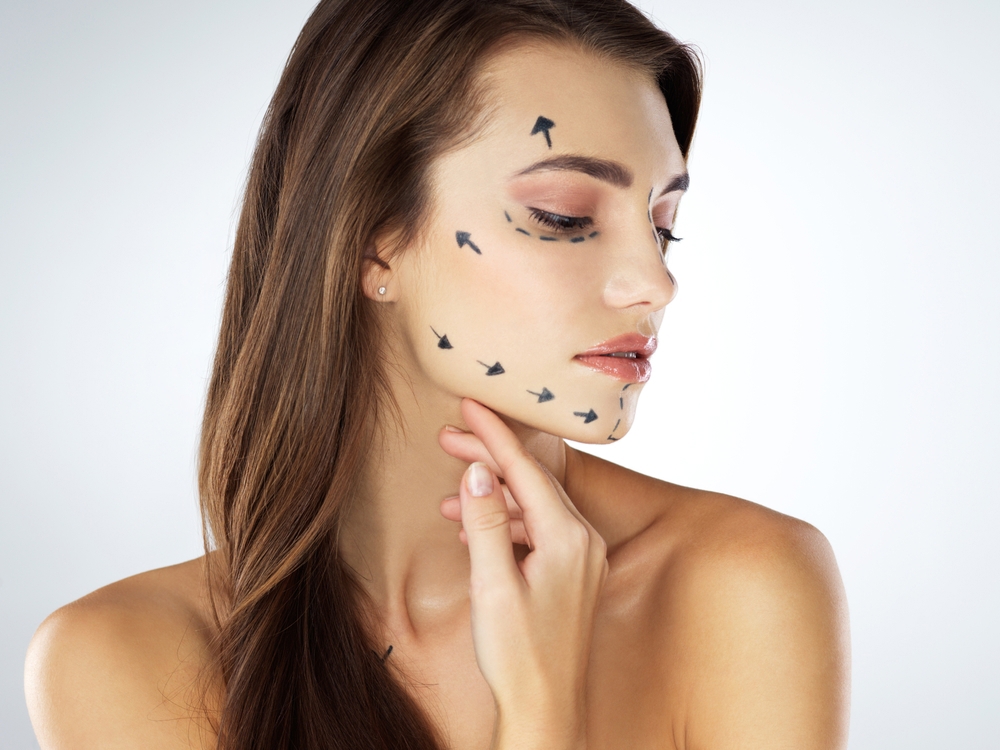
Rhinoplasty is frequently combined with chin augmentation to improve overall facial profile balance between the nose and lower face.
Facial fat grafting can be performed together with rhinoplasty to add volume in areas beyond the nose for a more complete facial-harmony result.
Blepharoplasty (eye surgery) is sometimes combined with rhinoplasty in the same surgical session when a patient's goals involve both the eyes and the nose; patients considering this combination may also review the clinic's Eye Surgery page.
Patients pursuing a broader facial-rejuvenation plan may also review the clinic's Facial Contouring Surgery page.
Whether to combine procedures in one session or stage them across separate visits depends on the patient's overall health, the total anesthesia time involved, and each procedure's individual healing requirements, and is assessed individually during consultation. Combining treatments in a single visit can reduce total recovery time compared with two separate trips to Korea, which matters in particular for international patients planning travel around a limited window of availability; at the same time, combining too many procedures can extend anesthesia time and lengthen overall recovery in ways that may outweigh the convenience for some patients. Patients traveling from abroad are encouraged to discuss their available time in Korea openly during consultation so that the surgical team can recommend whether combining or staging treatments better fits their circumstances.
Safety, Precision, and Clinic Standards
Good-Line Plastic Surgery Clinic is a Registered Medical Institution for Attracting Foreign Patients, certified by Korea's Ministry of Health and Welfare under the Medical Overseas Expansion and Foreign Patients Attraction Act. Dr. Choi deokho is a full member of the Korean Society of Plastic and Reconstructive Surgeons, among other national and international professional bodies. Patient assessment before rhinoplasty includes a review of nasal structure, skin thickness, facial proportions, medical history, current medications, and — for revision cases — the details of the previous surgery. As with any nasal surgery, temporary swelling, bruising, minor bleeding, asymmetry, changes in skin sensation, suture scar formation, and infection are possible, and implant-related complications such as displacement or exposure can occur in surgery involving an implant; a consultation with the surgeon is required to review individual risk (see ASPS — Rhinoplasty Risks and Safety).
Because revision rhinoplasty works with tissue and scarring from a prior operation, risk reduction relies heavily on a careful review of the previous surgery — including which implant or graft material was used and how the tissue has healed — before any further correction is planned. Sterile surgical technique, individualized technique selection, and scheduled postoperative monitoring are treated as baseline requirements across all three categories described on this page, and a missed follow-up visit can delay identification of a complication, such as early implant exposure or infection, that would otherwise be manageable if caught promptly. Patients are encouraged to contact the clinic promptly about any concerning symptom — unusual pain, fever, spreading redness, or a change in the appearance or firmness of the nose — rather than waiting for the next scheduled appointment.
The Bottom Line
Rhinoplasty at Good-Line spans primary nose reshaping, revision rhinoplasty for a prior unsatisfactory result, and non-surgical filler rhinoplasty for a temporary, non-surgical adjustment.
Technique and material selection depend on nasal structure, skin thickness, facial proportions, and — for revision cases — the details of the previous surgery, not a single default approach.
Reviewed and performed under Dr. Choi deokho, a board-registered plastic surgeon with a particular focus on rhinoplasty and revision rhinoplasty and roughly 25 years at the clinic.
Final results generally stabilize over 6-12 months for primary rhinoplasty and can take 12 months or longer for revision cases, so early post-surgical appearance should not be judged as the final outcome.
Rhinoplasty can be combined with chin augmentation, facial fat grafting, or eye surgery depending on the patient's overall facial-harmony goals.
Frequently Asked Questions
Is rhinoplasty painful? Anesthesia is used during the procedure itself, so significant pain during surgery is not expected. Afterward, some discomfort, swelling, tightness, nasal congestion, or tenderness is common and is generally managed with prescribed medication and standard aftercare.
How long does rhinoplasty surgery take? Primary rhinoplasty commonly takes around one to three hours depending on the surgical plan and the patient's nasal structure. Revision rhinoplasty typically takes longer — often two to four hours — because the surgeon must work around existing scar tissue and previously altered anatomy.
What anesthesia is used for rhinoplasty? Rhinoplasty may be performed under local anesthesia with sedation or under general anesthesia, depending on the surgical technique, extent of correction needed, and the patient's condition. Non-surgical filler rhinoplasty typically uses only topical or local numbing.
How long does recovery take after rhinoplasty? Initial swelling and bruising are usually most noticeable during the first 48 hours and improve substantially over the following one to two weeks; an external splint, if used, is commonly removed around day 5-7. Most patients resume light daily activity within roughly one to two weeks, while more strenuous activity generally requires an additional two to four weeks, and residual swelling can continue settling for several months.
When will I see my final results? The general shape becomes increasingly visible as early swelling decreases, but the appearance in the first few weeks should not be considered final. The stable, final result of primary rhinoplasty is typically assessed at around 6-12 months, with the nasal tip sometimes taking the longest to fully refine; revision cases can take 12 months or longer.
What is the difference between primary rhinoplasty and revision rhinoplasty? Primary rhinoplasty reshapes a nose that has not been surgically altered before, while revision rhinoplasty corrects a previous rhinoplasty — addressing problems such as implant exposure, displacement, a crooked bridge, or tip discoloration. Revision cases generally involve more scar tissue and altered anatomy, which is why they typically take longer and are planned individually around what was done in the earlier surgery.
Can non-surgical filler rhinoplasty replace surgery? Not for every patient. Filler rhinoplasty suits a quick, temporary volume adjustment — for example, to a sunken bridge — for patients who are reluctant to have surgery or have limited time available, but it does not restructure the nose the way surgery does, and the clinic specifically cautions that filler injected into the nasal tip can carry added risk in patients who have previously had incisional nose surgery. Whether filler is appropriate is determined during consultation.
Will rhinoplasty leave visible scars? Primary and revision rhinoplasty are generally performed through hidden internal incisions or a small incision on the columella (the strip of tissue between the nostrils), designed to minimize visible scarring. Non-surgical filler rhinoplasty involves no incision at all.
What are the risks of rhinoplasty? As with any surgery, risks can include infection, bleeding, prolonged swelling, scarring, asymmetry, changes in skin sensation, breathing difficulty, dissatisfaction with the shape achieved, and, when an implant is used, implant-related complications such as displacement or exposure. Revision rhinoplasty carries its own additional considerations tied to prior scar tissue. Individual risk should always be discussed directly with the surgeon.
How many days should I plan to stay in Korea for rhinoplasty? International patients are generally advised to plan for approximately seven to ten days in Korea after surgical rhinoplasty, allowing time for the surgeon to perform early postoperative checks before clearing travel. Non-surgical filler rhinoplasty generally does not require an overnight stay, though the appropriate flight timing should still be confirmed with the clinic. Exact recommendations vary by procedure and individual healing and should be confirmed directly with the surgeon.
Is English-language consultation available for rhinoplasty? Yes — Good-Line Plastic Surgery Clinic offers English-language support and an online consultation channel for international patients considering rhinoplasty, alongside a multilingual clinic website.
Book a Consultation at Good-Line Plastic Surgery Clinic
To discuss whether primary rhinoplasty, revision rhinoplasty, or non-surgical filler rhinoplasty is right for you, contact Good-Line Plastic Surgery Clinic in Gangnam-gu, Seoul at +82 2 543 1830 or through the clinic's online contact form. A consultation with the surgical team is the only reliable way to determine which approach fits your nasal structure, medical history, and aesthetic goals.
Disclaimer
This page is for general informational purposes only and does not constitute individualized medical advice. Candidacy, technique, and expected outcomes can only be determined through a consultation with a qualified physician. Because outcomes and recovery depend on individual nasal anatomy, prior surgical history, and healing, none of the descriptions above should be read as a guarantee of a specific result, timeline, or degree of improvement — they describe what the clinic's stated techniques generally involve and what patients commonly experience.
Sources & Further Reading
Related Services
Procedures available within our clinical departments.

Under-Eye Fat Repositioning
Under-eye fat repositioning is a transconjunctival lower-eyelid procedure that redistributes — rather than discards — the fat compartments beneath the eye, moving them around the orbital bone to correct hollowing and bulging caused by aging skeletal and.
Learn More

TRIPLE CELL
TRIPLE CELL is a non-invasive, radiofrequency-based skin treatment designed to deliver energy into different layers of the skin to support hydration, elasticity, and collagen-related skin recovery.
Learn More

Thermage Skin Tightening
Thermage Skin Tightening is a non-surgical radiofrequency treatment that heats targeted tissue beneath the skin to stimulate collagen remodeling, improving the appearance of mild-to-moderate skin laxity.
Learn More