Natural-Looking Face & Neck Lift Surgery and Personalized Anti-Aging Care in Apgujeong, Gangnam, Seoul
4.1 ★ Google · Board-Certified Plastic Surgeon
en-US

Specialty Overview
Skin & Laser Treatments
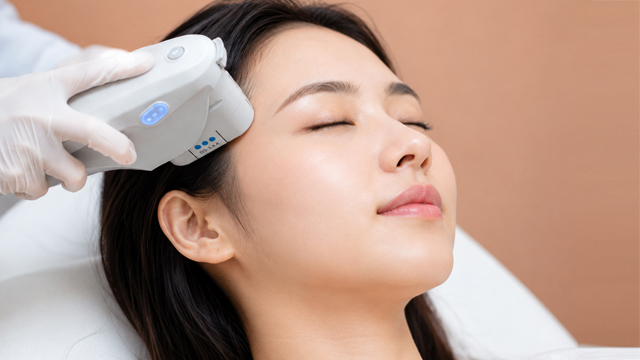
3D Ulthera Lift uses focused ultrasound energy to stimulate collagen production deep within the skin, including the SMAS layer that surgical facelifts also target.
Schedule a Consultation
Non-Surgical Skin Tightening (Ultherapy) and Skin & Laser Treatments
Reviewer Details
Medically reviewed by Dr. Choi deokho, Representative Director & Plastic Surgeon, Good-Line Plastic Surgery Clinic.
Registered as the clinic's legal representative in the Korean National Tax Service registry, Full Member of the Korean Society of Plastic and Reconstructive Surgeons · Last reviewed 2026-08-18 · Good-Line Plastic Surgery Clinic, Gangnam-gu, Seoul.
Good-Line Plastic Surgery Clinic offers a range of medical-grade, non-surgical skin and laser treatments, led by 3D Ulthera Lift (Ultherapy) — a focused-ultrasound treatment that lifts and tightens skin without surgery — alongside Thermage radiofrequency tightening, Secret RF microneedling, and Q-switched ND-YAG laser for pigmentation, each selected according to the patient's specific concern.
What Is Non-Surgical Skin Tightening (Ultherapy)?
3D Ulthera Lift uses focused ultrasound energy to stimulate collagen production deep within the skin, including the SMAS layer that surgical facelifts also target.
Lifts sagging skin and improves facial contour without a surgical incision.
Uses real-time ultrasound imaging to target multiple tissue depths precisely.
Stimulates the skin's own collagen remodeling over the following months.
Typically performed with topical numbing cream only, little to no downtime.
Complements — but does not replace — surgical facelift correction for advanced sagging.
Results commonly last twelve to eighteen months depending on age, skin quality, and lifestyle.
Who Performs Skin and Laser Treatments at Good-Line Plastic Surgery Clinic
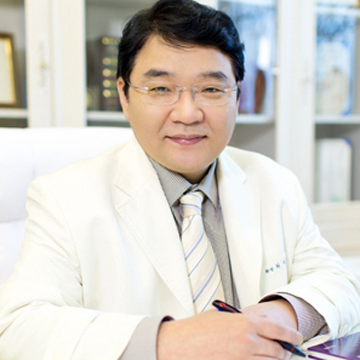
Dr. Choi Deokho, M.D.
Board-Certified Plastic Surgeon
Dr. Choi deokho is the Representative Director and plastic surgeon at Good-Line Plastic Surgery Clinic, with approximately 25 years associated with the clinic since its establishment in 2001. His stated core specializations include facial plastic surgery and facial rejuvenation, alongside rhinoplasty and facial contouring. He holds full membership in the Korean Society of Plastic and Reconstructive Surgeons, the Korean Society for Microsurgery, the Korean Cleft Palate-Craniofacial Association, the Japan Society of Aesthetic Plastic Surgery, the American Society of Aesthetic Plastic Surgery, and the International Society of Aesthetic Plastic Surgery. Patients are evaluated for skin laxity, pigmentation, and texture concerns individually before a specific technology or combination is recommended.
Because this category spans multiple distinct technologies addressing different underlying concerns, part of the surgeon's role is helping patients understand which of their concerns each device actually addresses, rather than assuming every skin concern responds equally well to every treatment. A patient requesting "Ultherapy" to address visible pigmentation, for instance, is redirected toward ND-YAG laser instead, since focused ultrasound has no meaningful effect on surface pigment; conversely, a patient asking for laser treatment to address jawline sagging is guided toward Ultherapy or Thermage, since laser resurfacing does not meaningfully lift or tighten deeper tissue. This matching process is treated as a core part of the consultation, not a formality before booking whichever treatment a patient initially names.
International patients researching non-surgical skin treatments in Korea often note that many of the devices used here — Ultherapy, Thermage, and fractional lasers among them — are the same FDA-cleared technologies available in markets like the United States, but offered at meaningfully lower cost, frequently cited in the range of 40 to 70 percent savings compared with equivalent treatments abroad. Korea's skin and laser treatment sector has also developed particular clinical experience working with Asian skin types, which can respond differently to certain energy-based and laser parameters than skin types more commonly studied in Western device trials — a consideration that matters both for pigmentation treatment and for managing the risk of post-inflammatory hyperpigmentation after more aggressive laser procedures.
Skin and Laser Treatment Options at Good-Line Plastic Surgery Clinic
3D Ulthera Lift | Thermage | Secret RF Microneedling | ND-YAG Laser |
|---|---|---|---|
Focused ultrasound targeting the SMAS layer for lifting | Radiofrequency heating for skin firmness | Fractional RF via microneedles for texture/scarring | Q-switched laser (532nm/1064nm) for pigment |
Best for mild-to-moderate sagging, jawline/neck laxity | Best for overall firmness improvement | Best for acne scars, pores, fine lines | Best for freckles, age spots, tattoos |
Little to no downtime; results over 2-6 months | Little to no downtime | Mild redness/swelling for a few days | Mild redness, crusting possible |
Patients are frequently interested in how these compare with a surgical facelift: Ultherapy and Thermage provide a modest lift and improved firmness with essentially no recovery, but neither repositions tissue to the degree a surgical facelift does, so patients with more advanced sagging are generally counseled toward surgery instead. Secret RF microneedling and ND-YAG laser address different concerns entirely — texture and pigmentation rather than laxity — and are frequently combined with the lifting treatments for a more complete result.
Ultherapy specifically uses real-time ultrasound imaging to identify the correct treatment depth before energy is delivered, allowing the physician to target multiple tissue layers precisely while avoiding critical underlying structures such as nerves and blood vessels. Thermage, by contrast, delivers radiofrequency energy across the skin surface together with a cooling mechanism designed to protect the outer skin while heating the deeper dermis, and is generally chosen by patients whose primary concern is overall firmness and smoothness across a broader area rather than a specific zone of sagging. Secret RF microneedling combines physical microneedle penetration with RF energy delivered directly into the dermal layer, which allows it to address concerns like acne scarring that sit at a different tissue depth than either Ultherapy or Thermage typically reach. ND-YAG laser operates on an entirely different principle again, using short, high-energy pulses at two distinct wavelengths — 532 nanometers for superficial pigment such as freckles and sun spots, and 1064 nanometers for deeper pigment such as certain birthmarks and tattoo ink — selectively targeting melanin rather than heating tissue broadly.
Who Is a Good Candidate for Skin and Laser Treatments?
Adults with mild-to-moderate skin laxity, early facial sagging, or loss of jawline definition seeking rejuvenation without surgery, for Ulthera or Thermage.
Patients with acne scarring, enlarged pores, fine lines, or photodamaged skin, for Secret RF microneedling.
Patients with freckles, age spots, or tattoos wanting pigment reduction, for ND-YAG laser.
Generally healthy individuals without active skin infection, open wounds, or implanted electronic devices in the treatment area.
Patients with significant skin laxity requiring surgical-level correction are better served by a facelift consultation than by these non-surgical options alone.
Patients who are pregnant or have unevaluated skin lesions in the treatment area should discuss timing with the physician before proceeding.
What to Expect: Procedure, Recovery, and Results Timeline
Stage | What typically happens |
|---|---|
Day of treatment | Topical numbing as needed; ultrasound/RF/laser energy delivered; most patients return home immediately |
Day 1-3 | Mild redness, warmth, or swelling for Ulthera/Thermage; possible small needle marks for Secret RF |
Week 1-2 | Most patients resume all normal activity; any redness/crusting from laser resolves |
Month 2-3 | Initial Ulthera/Thermage collagen remodeling becomes noticeable |
Month 3-6 | Peak Ulthera improvement; results commonly last 12-18 months |
Treatment is generally performed with topical anesthetic cream for comfort, with patients feeling warmth, tingling, or brief pressure during energy delivery. Aftercare commonly includes daily sunscreen, avoiding excessive sun or heat exposure for several days, and a gentle skincare routine while any redness resolves.
For Ultherapy specifically, some patients notice mild tightening immediately after treatment, but the more meaningful collagen remodeling develops gradually over two to three months, with peak improvement typically seen around three to six months. Most patients require only one session annually, with maintenance treatments considered as needed depending on how the skin responds and continues to age. Thermage follows a broadly similar pattern of gradual improvement, though it targets surface firmness rather than the deeper lifting effect Ultherapy aims for. Secret RF microneedling results develop over a course of several sessions typically spaced weeks apart, with skin texture continuing to remodel for weeks to months after each session — a single treatment is rarely sufficient for meaningful scar or texture improvement. ND-YAG laser pigment treatment similarly often requires multiple sessions depending on the depth and density of the pigment being addressed, with superficial pigment generally responding faster than deeper or denser pigment such as tattoo ink.
Preparation across these treatments is comparatively minimal, but patients are still asked to disclose medications, allergies, prior cosmetic procedures, and any implanted electronic devices before treatment, and to avoid excessive sun exposure in the days beforehand, since sun-exposed or already-irritated skin carries a higher risk of an uneven response to energy-based or laser treatment.
Combining Skin and Laser Treatments with Other Procedures
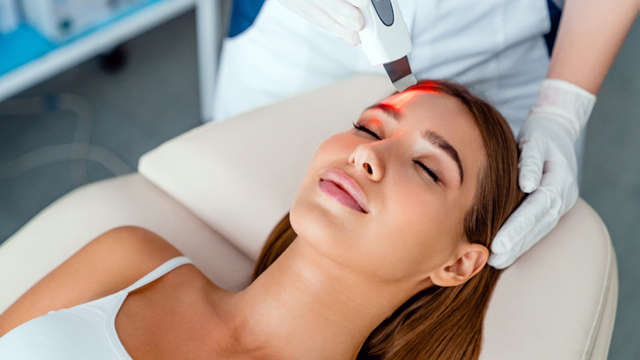
Ulthera is frequently combined with Thermage, injectable treatments, or fractional laser for patients addressing both laxity and surface texture together.
Secret RF microneedling and ND-YAG laser are often paired for patients with both textural and pigmentation concerns.
Patients considering more comprehensive facial rejuvenation may also review the clinic's Anti-Aging & Lifting Surgery page.
Combining treatments within the same visit is common in this category specifically because the different technologies address different tissue layers and concerns without significantly overlapping recovery demands — unlike combining multiple surgical procedures, which raises questions of total anesthesia time and combined healing. A patient addressing both jawline sagging and acne scarring, for example, might reasonably have Ultherapy and Secret RF microneedling planned within the same overall treatment course, sequenced appropriately so that one treatment's recovery does not interfere with assessing the other's results. The appropriate sequencing and spacing between combined treatments is planned individually based on which specific technologies are involved and the patient's skin response.
Safety, Precision, and Clinic Standards
Good-Line Plastic Surgery Clinic is a Registered Medical Institution for Attracting Foreign Patients, certified by Korea's Ministry of Health and Welfare under the Medical Overseas Expansion and Foreign Patients Attraction Act. Dr. Choi deokho is a full member of the Korean Society of Plastic and Reconstructive Surgeons. Patients are screened for implanted electronic devices, active skin infection, and pregnancy before treatment with RF or laser-based devices. As with any energy-based treatment, temporary redness, swelling, or, less commonly, burns or pigment changes are possible, and none of these treatments halt the natural aging process — they address visible signs already present at the time of treatment (see ASPS — Nonsurgical Facelift).
Correct patient selection is treated as important as the treatment itself for safety and results alike. Ultherapy and Thermage are not recommended for patients with significant existing skin laxity that genuinely requires surgical correction, since applying energy-based treatment to a case beyond its intended scope tends to produce only a brief, disappointing improvement rather than a meaningful result, and can create an unrealistic expectation about what non-surgical treatment can achieve. Similarly, ND-YAG laser and Secret RF microneedling carry specific contraindications — including recent sun exposure, active acne, unevaluated skin lesions, and certain medications that increase photosensitivity — that are screened for during consultation rather than left to the patient to self-assess. Devices are calibrated to the individual patient's skin type and the specific concern being treated, since a single fixed energy setting applied to every patient would under-treat some cases and unnecessarily risk complications in others.
Postoperative monitoring for these treatments is generally lighter than for surgical procedures, but follow-up remains part of the treatment plan for multi-session courses like Secret RF microneedling or ND-YAG laser pigment treatment, since assessing the skin's response between sessions allows the treating physician to adjust settings or timing as needed rather than repeating an identical protocol regardless of how the previous session performed.
Equipment maintenance and calibration are also part of the clinic's safety standards. Energy-based devices such as Ulthera, Thermage, and ND-YAG lasers are serviced on a manufacturer-specified schedule, and output is verified before each treatment day rather than assumed to be consistent indefinitely, since drift in energy delivery is one of the more common preventable causes of both under-treatment and unnecessary side effects in this category of device.
The Bottom Line
Skin and laser treatments at Good-Line are led by 3D Ulthera Lift, alongside Thermage, Secret RF microneedling, and ND-YAG laser.
Ulthera and Thermage improve firmness and provide a modest lift with little to no downtime, but do not replace a surgical facelift for advanced sagging.
Secret RF and ND-YAG laser address texture and pigmentation, not laxity, and are often combined with lifting treatments.
Reviewed and performed under Dr. Choi deokho, an experienced plastic surgeon with roughly 25 years at the clinic.
Maintenance sessions are typically part of a realistic long-term plan, since none of these treatments provide a single permanent result.
Correct device selection for each patient's specific concern matters more to the outcome than any single device's reputation alone.
Frequently Asked Questions
Is Ultherapy the same as a facelift? No — Ultherapy is a non-surgical ultrasound treatment that stimulates collagen and provides a modest lift, while a facelift is a surgical procedure that repositions tissue directly. Ultherapy suits mild-to-moderate sagging; more advanced laxity generally requires surgery, and the physician will be direct about which category a given patient's degree of sagging falls into.
How long do Ultherapy results last? Results commonly last twelve to eighteen months, depending on age, skin quality, and lifestyle factors, with peak improvement typically visible around three to six months after treatment as collagen remodeling continues to develop.
Is Thermage or Ulthera better for my skin? This depends on the specific concern: Ulthera targets deeper tissue for a lifting effect, while Thermage focuses on overall surface firmness. Many patients benefit from combining both, based on the physician's assessment during consultation rather than a fixed preference for one device.
What does Secret RF microneedling treat? Acne scars, enlarged pores, uneven texture, fine lines, and photodamaged skin, through fractional radiofrequency energy delivered via microneedles into the dermal layer, with needle depth and RF output adjusted to the specific concern and treatment area.
Can ND-YAG laser remove tattoos completely? Not always — deeper or older tattoos may only partially fade even after a full course of treatment. The physician evaluates pigment depth and type before setting realistic expectations for the specific tattoo or pigment concern, since ink color and depth both influence how completely a given mark can be cleared.
How much downtime do these treatments require? Ulthera and Thermage generally involve little to no downtime, with most patients resuming normal activity immediately. Secret RF and ND-YAG laser can involve mild redness, swelling, or small marks for a few days, generally resolving without further intervention.
Can these treatments be combined in one visit? Often, yes — for example, Ulthera is frequently combined with Thermage or fractional laser in a single treatment plan. The appropriate combination depends on the patient's specific concerns and is determined during consultation.
Do these treatments work well on all skin types? Response varies by individual skin type, tone, and the specific concern being treated. ND-YAG laser in particular is selected with wavelength and settings adjusted for the patient's skin tone to reduce the risk of pigment changes, and the physician evaluates skin type carefully as part of the pre-treatment consultation for every device offered in this category.
Is there an age limit for Ultherapy or Thermage? There is no strict age cutoff; suitability depends more on the degree of skin laxity present than age alone. Younger patients with early, mild sagging and older patients with more moderate laxity can both be reasonable candidates, while those with advanced sagging at any age are generally better served by surgical consultation rather than a non-surgical energy-based treatment that cannot achieve the same degree of correction.
How soon can I see results from Secret RF microneedling? Some improvement in texture may be visible as the skin heals from each session, but the more meaningful collagen-driven improvement in scarring and texture develops progressively over several weeks to months, and a full course of multiple sessions typically produces a more noticeable, lasting result than a single isolated treatment.
What happens if I have more than one skin concern? The consultation is designed to address this directly — rather than choosing one device and hoping it resolves every concern, the physician typically proposes a combination or sequence of treatments matched to each specific concern, whether that means pairing a lifting treatment with a pigment-focused laser or scheduling texture-focused microneedling alongside a firmness treatment, prioritized according to what matters most to the patient.
Book a Consultation at Good-Line Plastic Surgery Clinic
To discuss whether 3D Ulthera Lift, Thermage, Secret RF microneedling, or ND-YAG laser best fits your skin concerns, contact Good-Line Plastic Surgery Clinic in Gangnam-gu, Seoul at +82 2 543 1830 or through the clinic's online contact form. A consultation is the most reliable way to match the right technology to your specific skin concern and goals.
Disclaimer
This page is for general informational purposes only and does not constitute individualized medical advice. Candidacy, technique, and expected outcomes can only be determined through a consultation with a qualified physician. None of the descriptions above should be read as a guarantee of a specific result, timeline, or degree of improvement.
Sources & Further Reading
Related Services
Procedures available within our clinical departments.

Under-Eye Fat Repositioning
Under-eye fat repositioning is a transconjunctival lower-eyelid procedure that redistributes — rather than discards — the fat compartments beneath the eye, moving them around the orbital bone to correct hollowing and bulging caused by aging skeletal and.
Learn More

TRIPLE CELL
TRIPLE CELL is a non-invasive, radiofrequency-based skin treatment designed to deliver energy into different layers of the skin to support hydration, elasticity, and collagen-related skin recovery.
Learn More

Thermage Skin Tightening
Thermage Skin Tightening is a non-surgical radiofrequency treatment that heats targeted tissue beneath the skin to stimulate collagen remodeling, improving the appearance of mild-to-moderate skin laxity.
Learn More