Natural-Looking Face & Neck Lift Surgery and Personalized Anti-Aging Care in Apgujeong, Gangnam, Seoul
4.1 ★ Google · Board-Certified Plastic Surgeon
en-US

Medical Guide
Eyelid Ptosis Correction: Causes, Candidacy, Recovery
A guide to eyelid ptosis correction in Korea: what causes drooping eyelids, who is a candidate, how the levator is adjusted, and recovery for travelers.
Schedule a Consultation
Eyelid Ptosis Correction: Causes, Candidacy, and Recovery

Medically reviewed by Dr. Choi Deokho, Board-Certified Plastic Surgeon, Representative Director, Goodline Plastic Surgery
Eyelid ptosis, also called blepharoptosis, is the abnormal drooping of the upper eyelid so that the lid margin sits lower than it should over the eye. It is easy to confuse with other eyelid concerns, but ptosis is a specific problem: the eyelid is not being lifted to its proper height. In mild cases it can look like tired or sleepy eyes; in more advanced cases the lid can cover part of the pupil and interfere with the upper field of vision. Because the muscle that raises the eyelid is involved, ptosis is functional as well as cosmetic, and correcting it is different from simply creating an eyelid crease.
This guide explains what causes ptosis, how surgeons distinguish it from cosmetic double eyelid concerns, who tends to be a candidate, how correction works, and what recovery involves for someone traveling for treatment. The content is educational and reflects techniques discussed at Goodline Plastic Surgery in Apgujeong, Gangnam, Seoul. It is not a substitute for an in-person examination, and only a qualified surgeon can determine whether ptosis is present and what should be done about it.
What Ptosis Actually Is
The upper eyelid is raised mainly by the levator palpebrae superioris muscle and its tendon-like extension, the levator aponeurosis, with a smaller assist from a muscle called Müller's muscle. When these structures work well, the eyelid margin rests just above the top of the colored part of the eye. Ptosis occurs when this lifting system underperforms, so the lid margin drops lower than normal.
The severity of ptosis is usually described by how low the lid sits and by how well the levator muscle functions when measured. Surgeons assess levator function because it strongly influences which surgical approach is appropriate. Mild ptosis with good muscle function is handled differently from severe ptosis with weak muscle function. This is one reason self-assessment is unreliable and a clinical measurement is needed.
Ptosis can affect one eye or both, and the two sides are often uneven. A drooping lid can also push people to raise their eyebrows or tilt their head back to see better, habits that may cause forehead strain over time.
Common Causes of Drooping Eyelids
Ptosis has several distinct causes, and identifying the cause guides treatment. The most common type in adults is aponeurotic ptosis, in which the levator aponeurosis stretches or detaches from the eyelid plate. This is frequently age-related but can also follow long-term contact lens wear, eye rubbing, prior eye surgery, or swelling.
Other categories include congenital ptosis, present from birth because the levator muscle did not develop normally; myogenic ptosis, from muscle disorders; neurogenic ptosis, from problems with the nerves that signal the muscle; and mechanical ptosis, where a mass or extra tissue weighs the lid down. Some forms of ptosis can also signal an underlying neurological or systemic condition, which is why a proper evaluation is important rather than assuming every droopy lid is simply cosmetic or age-related.
Because these causes are treated differently, and because a few require medical rather than surgical attention, the first step is always assessment. A sudden change in eyelid position, double vision, or other new neurological symptoms should be evaluated promptly rather than treated as a routine cosmetic issue.
Ptosis Versus Double Eyelid Surgery
A frequent point of confusion is the difference between ptosis correction and double eyelid surgery. They address different problems. Double eyelid surgery creates or refines the crease of the upper eyelid; it changes the fold but does not raise a lid margin that sits too low. Ptosis correction, by contrast, adjusts the lifting mechanism so the eyelid opens to a proper height.
Someone can have one condition, the other, or both at once. A person with true ptosis who receives only crease surgery may still have an eyelid that appears to droop, because the underlying lifting problem was never addressed. Conversely, someone whose only concern is the absence of a crease does not need levator surgery. The two procedures are sometimes performed together when both a low lid position and a poorly defined crease are present.
Distinguishing functional ptosis from a purely cosmetic double-eyelid concern is exactly the kind of judgment that requires an examination and measurements. If you are unsure which applies to you, that is a normal reason to seek an evaluation rather than to assume. You can arrange a consultation through the clinic's contact page.
Who Is a Candidate?
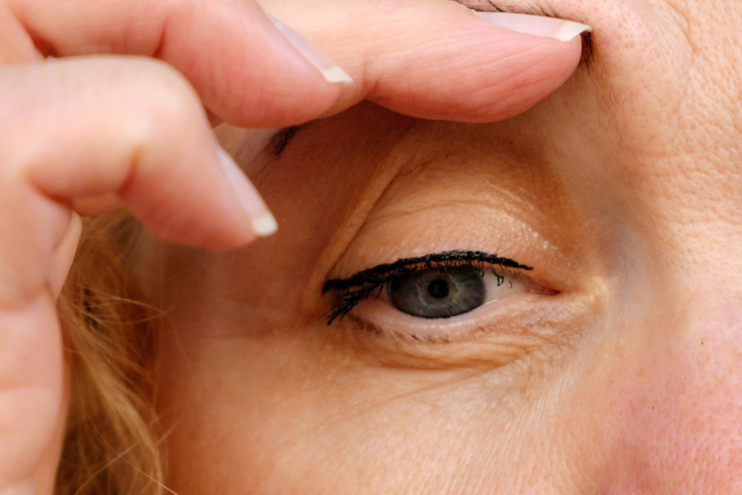
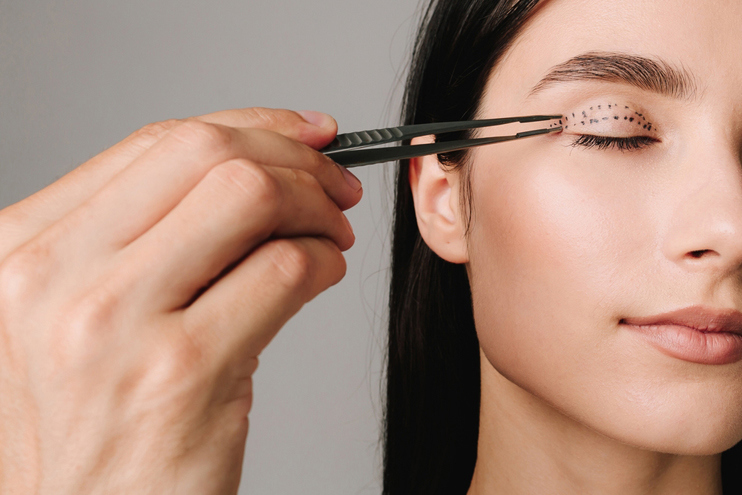
Candidacy for ptosis correction is decided by examination, not by appearance in a mirror. During assessment, a surgeon typically measures how low the lid margin sits, tests levator muscle function, checks eyelid symmetry, evaluates the crease, and looks for signs pointing to a specific cause. Tear production and the ability to close the eye fully are also assessed, because these affect surgical planning and eye safety.
In general, good candidates are people whose drooping is due to a mechanical or aponeurotic problem that surgery can address, who are in reasonable health, and who have realistic expectations. When ptosis stems from a neurological or systemic condition, that underlying issue may need to be managed first, and in some situations surgery is deferred or not appropriate. Congenital ptosis in children is a specialized situation with its own timing considerations.
Realistic expectations matter because the two eyes rarely match perfectly, and perfect symmetry cannot be promised. The aim is a balanced, natural-looking improvement in lid height and, where relevant, in the visual field, not a flawless mirror image between the two sides.
How Ptosis Correction Works
The core idea of ptosis surgery is to strengthen or reposition the eyelid's lifting mechanism so the lid margin rises to an appropriate level. In the common aponeurotic type, the surgeon adjusts the levator muscle or its aponeurosis, tightening or reattaching it so it lifts the lid more effectively. Approaches vary depending on the cause and on how much levator function remains; procedures that work through the inner surface of the eyelid, and external approaches through a crease incision, are both used in appropriate cases. In severe ptosis with very weak muscle function, other techniques that connect the lid to the brow-lifting muscles may be considered.
Ptosis correction is typically performed under local anesthesia, sometimes with mild sedation, so the patient can be asked to open and close the eyes during surgery. This cooperation helps the surgeon fine-tune lid height and symmetry in real time. Procedure length varies with complexity but commonly falls in the range of about thirty to ninety minutes.
Because eyelid position is being set during the operation, small adjustments in the early healing period are sometimes needed once swelling has settled. Some over- or under-correction can occur, and a touch-up procedure is occasionally required to refine the result. This is a normal, honest part of ptosis surgery rather than a sign that something went wrong.
Recovery and Travel for International Patients
Recovery from ptosis correction follows a predictable early pattern for most people. Swelling and bruising around the eyelid are common in the first days and then gradually improve over the following weeks. Cold compresses in the initial period, keeping the head elevated, and avoiding strenuous activity and eye rubbing can support healing. Any surface stitches are usually removed within about a week, in line with your surgeon's instructions.
For patients traveling from abroad, it is often practical to plan a stay of roughly five to ten days to allow for the surgery, initial healing, suture removal, and at least one follow-up visit before returning home. This is a general planning guide rather than a fixed rule; your surgeon will advise on timing based on your procedure and how you are healing. Final settling of eyelid height and full resolution of swelling can take longer, over several weeks to months, so the appearance immediately after surgery is not the final result.
A specific point to expect with ptosis surgery is that the eyes may not close completely for a period after the operation, a temporary condition called lagophthalmos. This can cause dryness and requires attentive eye care, such as lubricating drops or ointment as directed, until it resolves. Your surgeon and their team will explain the aftercare that applies to your case.
Honest Risks
Like all eyelid surgery, ptosis correction carries risks that deserve plain discussion. These include asymmetry between the two eyelids, over-correction (the lid opening too much) or under-correction (residual drooping), swelling and bruising, and scarring where an external incision is used. Because the lids may not fully close for a time, dry eye and lagophthalmos are recognized issues, and in most cases they are temporary and managed with eye lubrication.
Less common risks include infection, bleeding, changes in the eyelid crease, and the need for revision surgery to adjust height or symmetry. Revision can be more involved once tissue has already been operated on and is usually planned after healing is complete. No surgeon can guarantee a specific outcome or perfect symmetry; results vary from person to person, and honest planning includes acknowledging the possibility of a touch-up.
Frequently Asked Questions
How is ptosis different from just having a droopy or hooded look?
Ptosis specifically means the eyelid margin sits lower than normal because the lifting muscle is underperforming. A hooded appearance from excess upper eyelid skin is a separate issue that may be addressed differently. Some people have both. Only an examination with lid measurements can tell which is present and what, if anything, should be corrected.
Is ptosis correction the same as double eyelid surgery?
No. Double eyelid surgery creates or refines the eyelid crease, while ptosis correction adjusts the levator muscle or tendon to raise a lid that sits too low. Someone can need one, the other, or both together. Having crease surgery alone will not fix true ptosis, which is why distinguishing the two before surgery is important.
What anesthesia is used and how long does the surgery take?
Ptosis correction is usually done under local anesthesia, sometimes with mild sedation, so you can open and close your eyes to help the surgeon set lid height. The procedure commonly takes about thirty to ninety minutes, though this varies with the cause and complexity of your ptosis. Your surgeon will confirm the plan after examining you.
How long should international patients plan to stay?
Many patients traveling for ptosis surgery plan a stay of roughly five to ten days, which allows for the procedure, early healing, suture removal, and a follow-up visit. This is a general guideline, not a guarantee, and your surgeon may advise a different timeline based on your healing. Final settling of eyelid height continues for weeks to months afterward.
Will my eyes be even after surgery?
The goal is a balanced, natural improvement in lid height, but perfect symmetry cannot be promised. The two eyes often differ slightly, and swelling in the early period can make them look more uneven at first. If a meaningful difference remains after healing, a touch-up procedure is sometimes performed. Results vary between individuals.
Is it normal for my eyes not to fully close after surgery?
A temporary inability to close the eyes completely, called lagophthalmos, can occur after ptosis correction and may cause dryness. In most cases it is temporary and is managed with lubricating drops or ointment as your surgeon directs. Reporting persistent dryness or difficulty closing the eye to your care team is important so it can be monitored.
The Bottom Line
- Ptosis, or blepharoptosis, is abnormal drooping of the upper eyelid because the levator lifting mechanism is underperforming; it is both a functional and a cosmetic concern.
- It is distinct from double eyelid surgery: ptosis correction raises a low lid by adjusting the levator muscle or tendon, while crease surgery only shapes the fold, so distinguishing the two by examination is essential.
- Correction is usually performed under local anesthesia, sometimes with mild sedation, and commonly takes about thirty to ninety minutes, with patient cooperation helping fine-tune lid height.
- International patients often plan a stay of roughly five to ten days for surgery, early healing, suture removal, and follow-up, with final settling continuing over weeks to months.
- Honest risks include asymmetry, over- or under-correction, temporary dry eye and lagophthalmos, scarring, and possible revision; perfect symmetry cannot be guaranteed and results vary.
This article is for general education only and is not a self-diagnosis tool. It does not replace a personal consultation with a qualified plastic surgeon, who can examine your eyelids, measure levator function, and determine whether ptosis is present and how it should be treated. Candidacy and outcomes are individual, and results vary. A sudden change in eyelid position or new vision symptoms should be evaluated promptly. To discuss your situation, contact Goodline Plastic Surgery directly. Goodline Plastic Surgery is a Registered Medical Institution for Attracting Foreign Patients certified by the Korean Ministry of Health and Welfare, established in 2001 and located in Apgujeong, Gangnam, Seoul, near Apgujeong Station Exit 4, with basic English-language support available.
References
- Blepharoptosis (Ptosis): Classification, Evaluation, and Surgical Management (StatPearls, NCBI Bookshelf)
- Anatomy, Head and Neck: Eyelid (StatPearls, NCBI Bookshelf)
- Upper Eyelid Blepharoplasty (StatPearls, NCBI Bookshelf)
- Eyelid Surgery (American Society of Plastic Surgeons)
More Articles
Continue reading our clinical guides.

Revision Rhinoplasty in Seoul: What US Patients Should Know
Revision rhinoplasty in Seoul for US patients: why secondary nose surgery is harder, what recovery looks like, honest expectations, and Goodline's plan.
Learn More
Rejuran vs RE20 vs Juvelook Volume: Skin Boosters Compared
Three injectables that look alike on a clinic menu and solve three unrelated problems. Hydration, repair and volume differ in timeline and in results.
Learn More

Primary vs Revision Rhinoplasty: The Differences That Matter
A second nose operation is not the first one repeated. Scar tissue, longer operating time and a result that takes a year change what you should expect.
Learn More