Natural-Looking Face & Neck Lift Surgery and Personalized Anti-Aging Care in Apgujeong, Gangnam, Seoul
4.1 ★ Google · Board-Certified Plastic Surgeon
en-US

Medical Guide
Mouth Corner Lift in Seoul: Correcting a Downturned Smile
How mouth corner lifting at Goodline Plastic Surgery, Seoul may soften a downturned smile, with honest risks, recovery, candidacy, and realistic results.
Schedule a Consultation
Mouth Corner Lift in Seoul: Correcting a Downturned Smile
Medically reviewed by Dr. Choi Deokho, Board-Certified Plastic Surgeon, Representative Director, Goodline Plastic Surgery
Many people notice that in a relaxed, resting face the corners of their mouth seem to point slightly downward, giving an impression of sadness, tiredness, or displeasure that does not match how they actually feel. This resting downturn is one of the more common reasons people ask about a mouth corner lift, sometimes called an oral commissure lift or, informally, a "smile lift." The goal of the procedure is modest and specific: to gently reposition the outer corners of the mouth so the resting expression looks a little softer and more neutral. It is not a way to change your personality, your natural smile, or the overall shape of your face, and it will not turn a frown into a permanent grin.
This article explains what a mouth corner lift is, who tends to be a reasonable candidate, how the surgery is generally approached, what recovery is realistically like, and the honest risks involved, including scarring, asymmetry, and relapse. Cosmetic outcomes vary from person to person, and the only way to know whether this procedure suits you is an in-person examination. If you are considering treatment at Goodline Plastic Surgery in Seoul, use this as background reading rather than as a substitute for a consultation.
What a Mouth Corner Lift Actually Does
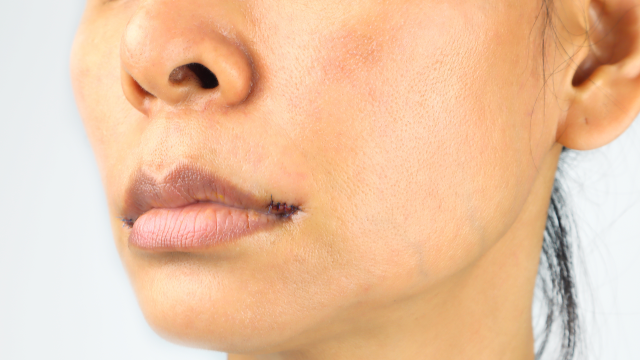
A mouth corner lift is a small surgical procedure that raises the outer corners of the mouth, known as the oral commissures. Over time, and in some faces from a younger age, the corners of the mouth can sit lower than the central portion of the lip line. Factors that contribute include the natural anatomy of the lips, the pull of the muscles that draw the corners downward, volume loss and skin laxity that come with aging, and long-standing habitual expression. When the corners rest low, the mouth can read as downturned even when a person is calm and content.
Surgically lifting the corners aims to shift that resting position upward by a small, carefully judged amount. This is typically achieved by removing a small, precisely designed wedge of skin just above and beside each corner of the mouth, then closing the area so the corner is drawn slightly upward. Because the change is subtle by design, a good result usually looks like a more rested or neutral expression rather than an obvious surgical alteration. Surgeons generally aim for restraint here, because overcorrection can look unnatural and is difficult to reverse.
It is worth being clear about what the procedure does not do. A mouth corner lift does not lift the entire face, does not treat deep nasolabial folds or heavy jowls, and does not replace lip volume. It also cannot promise a specific "happy" look, because the way your muscles move when you smile and speak is individual. The lips remain dynamic structures, and results are influenced by your underlying anatomy and how your tissues heal.
Why the Mouth Corners Turn Down
Understanding the cause of a downturned mouth helps set realistic expectations. In some people, the downturn is largely structural and present from a relatively young age, related to the shape and orientation of the lips and the balance of the muscles around the mouth. The depressor anguli oris muscle, which pulls the mouth corner downward, can be relatively strong or dominant, contributing to a resting frown.
In others, the change is more clearly age-related. As facial tissues mature, skin loses elasticity, fat pads shift or diminish, and the soft tissues around the mouth can descend. Marionette lines, the grooves that run from the corners of the mouth toward the chin, may deepen and reinforce the impression of a downturn. Because these different causes call for different approaches, a careful assessment matters. A surgical corner lift addresses the position of the corner itself; it does not, on its own, resolve every contributing factor, and in some cases a surgeon may discuss whether other treatments would address your concern more directly.
Who May Be a Candidate
Candidacy is determined by an in-person examination, not by photographs or online descriptions, and no article can tell you whether the procedure is right for you. That said, people who tend to be considered for a mouth corner lift often share a few features. They typically have mouth corners that rest visibly lower than the rest of the lip line, they are bothered by a persistently sad or stern resting expression, and they understand that the aim is a subtle refinement rather than a dramatic transformation.
Good candidates are also in reasonable general health, do not have active infection or skin problems around the mouth, and have realistic expectations. Smoking is an important consideration because it can impair wound healing and affect scarring, and your surgeon may advise stopping for a period before and after surgery. People with a tendency to form raised or thickened scars, such as keloids, should raise this during consultation, as it influences both suitability and the discussion of risks. If your main concern is volume loss, dynamic wrinkles, or overall facial descent, your surgeon may suggest that a corner lift alone is unlikely to satisfy you and may discuss alternatives.
How the Procedure Is Generally Performed
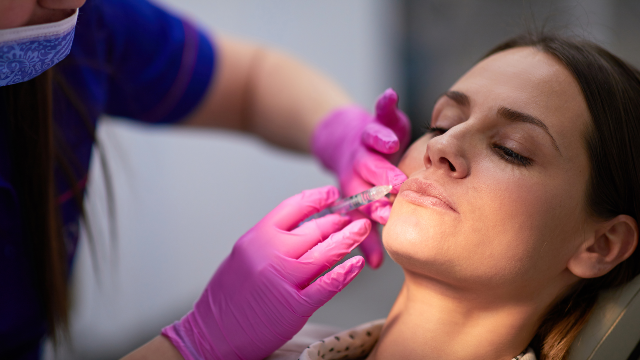
A mouth corner lift is usually performed as a minor procedure, commonly under local anesthesia, meaning the area around the mouth is numbed while you remain awake. The exact plan is individualized, and your surgeon will mark the area carefully before beginning, because the design of the incision largely determines the final appearance.
In broad terms, the surgeon removes a small, thoughtfully shaped section of skin just above each mouth corner and then closes the incision so the corner is repositioned slightly upward. The incisions are kept as small as the correction allows and are placed to fall along or near natural contours in an effort to make the resulting scar less noticeable. Fine sutures are used to close the skin. The procedure is typically short, though the precise time depends on your anatomy and whether it is combined with any other treatment.
Because every surgical technique involves trade-offs, your surgeon should explain their specific approach, where the incisions will sit, and what the expected scar pattern is before you agree to proceed. Do not expect an exact, guaranteed measurement of how much the corner will rise; the aim is a balanced, natural-looking adjustment judged by the surgeon during the operation.
Recovery and Aftercare
Recovery from a mouth corner lift is generally described as manageable, but it is not instant, and the corners of the mouth are an area that moves constantly with talking, eating, and expression. In the first days you can expect some swelling, bruising, tightness, and mild discomfort around the corners of the mouth. The incision lines will be visible initially and usually appear pink or red before they gradually fade over weeks to months. Everyone heals at a different pace, so timelines vary.
Your care team will give you specific aftercare instructions, which commonly include keeping the area clean, applying any prescribed ointment, avoiding strenuous activity for a period, and being gentle with wide mouth movements while the incisions heal. Sutures are typically removed within about a week, depending on the technique and how you are healing. Sun protection of the incision area is important, because fresh scars can darken with sun exposure. You will usually be advised to attend follow-up visits so your surgeon can monitor healing.
It is normal for the early result to look tighter or more pronounced than the final settled appearance, and it takes time for swelling to resolve and for scars to mature. Patience during this settling period is part of the process, and you should avoid judging the outcome too early. If you are traveling internationally for treatment, discuss timing with the clinic in advance, since you may need to remain nearby for follow-up and suture removal, and healing needs should be factored into any travel plans.
Honest Risks and Limitations
Every surgical procedure carries risk, and a mouth corner lift is no exception. Being informed about the downsides is part of making a sound decision.
Scarring. Because incisions are made in the skin at or near the mouth corners, some degree of scarring is unavoidable. Surgeons take care with incision design and closure to make scars as inconspicuous as possible, but no one can promise a scar-free result. Scars may remain visible, particularly in the early months, and some people are prone to more noticeable or raised scars.
Asymmetry. The two sides of the face rarely heal identically, and mild asymmetry between the corners is possible. In some cases a revision or touch-up may be discussed, but this adds its own considerations.
Relapse or under-correction. The soft tissues around the mouth are dynamic and subject to ongoing aging and muscle pull. Over time, some of the correction can soften or partially relapse, and the downturn may gradually return to some degree. Conversely, if too little is done, the change may be less noticeable than hoped.
Overcorrection and unnatural appearance. Lifting too much can create an unnatural or "pulled" look, which is one reason surgeons favor conservative correction.
General surgical risks. These include bleeding, infection, delayed healing, temporary numbness or altered sensation around the mouth, and reactions to anesthesia. Serious complications are uncommon but possible. Any acute problem such as spreading redness, significant pain, fever, or bleeding should be treated as urgent, and if you are far from the clinic you should seek local emergency care first.
Results vary, and the procedure cannot guarantee a specific expression or a permanent outcome. A candid conversation with your surgeon about these limitations is essential.
Considering Treatment at Goodline Plastic Surgery
Goodline Plastic Surgery is located in the Apgujeong area of Gangnam-gu, Seoul, near Apgujeong Station Exit 4. The clinic was established in 2001 and organizes its services across several specialty centers, including facial contouring and anti-aging care. It is registered as a Medical Institution for Attracting Foreign Patients under the Korean Ministry of Health and Welfare, and it offers basic English support for international patients along with online consultation through its contact page.
If you would like to ask whether a mouth corner lift, or an alternative approach, might suit your face and goals, you can reach the clinic through the Goodline Plastic Surgery contact page. A consultation allows a plastic surgeon to examine the resting position of your mouth, discuss what a realistic result would look like for you, and explain the specific risks in your case. Because outcomes depend on individual anatomy and healing, an examination is the only reliable way to plan treatment.
Frequently Asked Questions
Will a mouth corner lift make me look like I am always smiling?
No. The procedure is designed to make a small, subtle change to the resting position of the mouth corners so the face looks a little more neutral or rested. It does not create a permanent smile, and reputable surgeons deliberately keep the correction conservative to avoid an unnatural, overcorrected look.
Are the scars from a mouth corner lift visible?
Some scarring is unavoidable because small incisions are made in the skin near the mouth corners. Surgeons design and place these incisions to be as inconspicuous as possible, and scars typically fade over months, but no one can promise a scar-free result. People prone to raised or thickened scars should mention this during consultation.
How long does recovery take?
Most people experience swelling, bruising, and tightness in the first days, with sutures often removed within about a week. Scars continue to mature and swelling continues to settle over subsequent weeks to months, so the final appearance takes time. Individual healing varies, and your surgeon will give you a personalized timeline.
Can the downturned corners come back after surgery?
Yes, some relapse is possible. The tissues around the mouth continue to age and remain subject to muscle pull, so a portion of the correction can soften over time and the downturn may partially return. No procedure permanently stops facial aging, and results vary between individuals.
Is a mouth corner lift the same as a filler treatment for the mouth?
No. A mouth corner lift is a surgical procedure that repositions the corners by removing a small amount of skin, while injectable treatments address different concerns and are temporary. During a consultation, a surgeon can explain which approach, if any, is more appropriate for your specific anatomy and goals.
How do I know if I am a candidate?
Candidacy can only be determined through an in-person examination. A surgeon will assess the resting position of your mouth, your skin quality, your overall health, and your expectations before advising whether the procedure is suitable or whether another option would serve you better.
The Bottom Line
- A mouth corner lift is a small surgical procedure that repositions the oral commissures to soften a downturned resting expression; the intended result is subtle, not dramatic.
- It typically involves removing a small wedge of skin near each mouth corner under local anesthesia, and it does not lift the whole face or replace lip volume.
- Honest risks include scarring, asymmetry, over- or under-correction, and possible relapse over time as the tissues continue to age; a scar-free or permanent result cannot be promised.
- Recovery involves early swelling and visible incision lines that fade over weeks to months, with suture removal usually within about a week and results that settle gradually.
- Candidacy and realistic expectations can only be established through an in-person examination; results vary from person to person.
This article is for general educational purposes only and is not a self-diagnosis tool. It does not replace professional medical advice, diagnosis, or treatment. Always consult a qualified physician about your individual circumstances, and seek emergency care for urgent symptoms. Results vary between individuals, and no outcome can be guaranteed.
References
- American Society of Plastic Surgeons — Facelift Surgery
- StatPearls (NCBI Bookshelf) — Anatomy, Head and Neck, Lips
- StatPearls (NCBI Bookshelf) — Physiology, Wound Healing
- PMC — Algorithms for the Treatment and Prevention of Hypertrophic Scars and Keloids (2020 Update)
More Articles
Continue reading our clinical guides.

Revision Rhinoplasty in Seoul: What US Patients Should Know
Revision rhinoplasty in Seoul for US patients: why secondary nose surgery is harder, what recovery looks like, honest expectations, and Goodline's plan.
Learn More
Rejuran vs RE20 vs Juvelook Volume: Skin Boosters Compared
Three injectables that look alike on a clinic menu and solve three unrelated problems. Hydration, repair and volume differ in timeline and in results.
Learn More

Primary vs Revision Rhinoplasty: The Differences That Matter
A second nose operation is not the first one repeated. Scar tissue, longer operating time and a result that takes a year change what you should expect.
Learn More