Natural-Looking Face & Neck Lift Surgery and Personalized Anti-Aging Care in Apgujeong, Gangnam, Seoul
4.1 ★ Google · Board-Certified Plastic Surgeon
en-US

Medical Guide
Secret RF Microneedling vs Traditional Laser Resurfacing
Both rebuild collagen and both take weeks to show it. They differ in how the energy reaches the dermis, and that difference decides the downtime you get.
Schedule a Consultation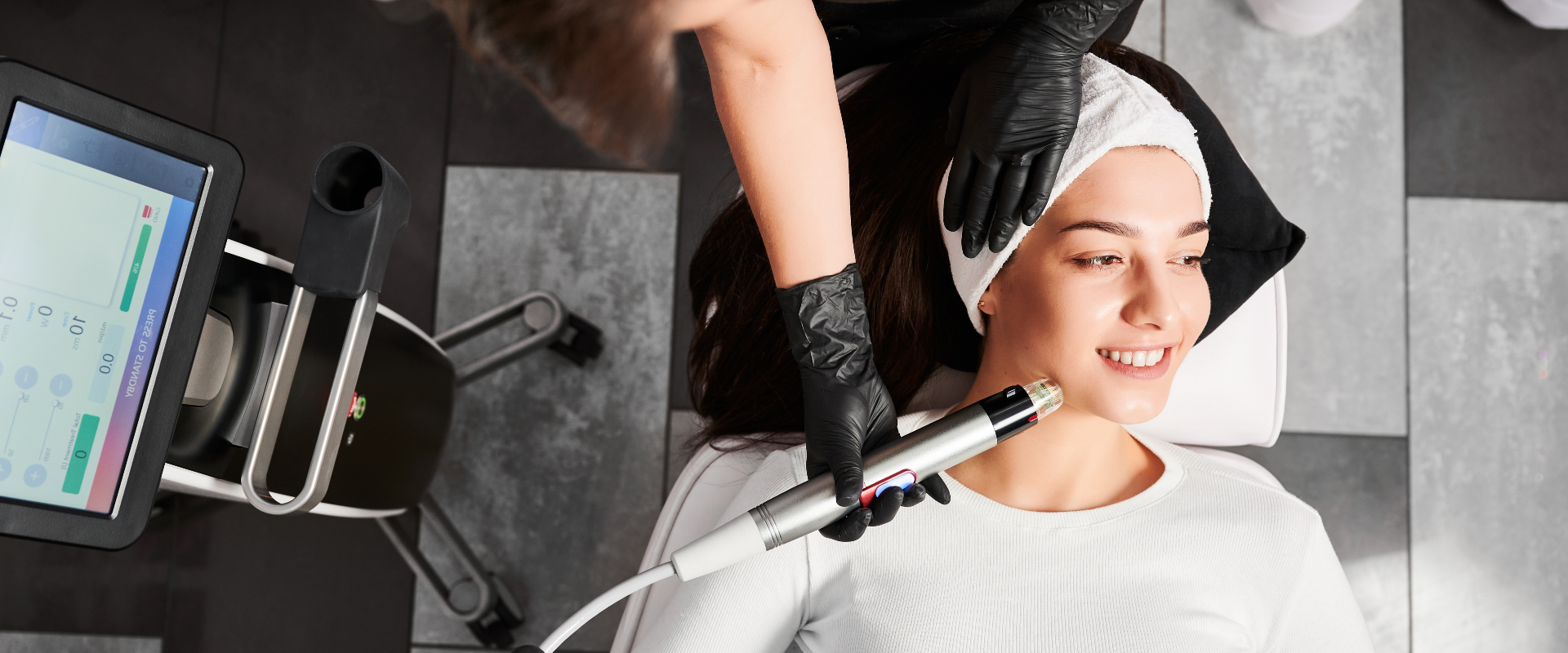
Secret RF Microneedling vs Traditional Laser Resurfacing
Medically reviewed by Dr. Choi Deokho, Representative Director, Goodline Plastic Surgery
A note on what this article can and cannot do, since it matters for how you read it.
Goodline Plastic Surgery's published material describes Secret RF microneedling in detail: who it is for, how long a session takes, what recovery looks like, what can go wrong. It lists laser treatments among the services it offers — naming Secret Laser, Fraxel, Ulthera, Thermage and IPL among its skin and laser treatments — without describing any of them in the same depth. So the clinic-specific half of this comparison is the radiofrequency half, and the laser half draws on published patient information from the American Academy of Dermatology and the US Food and Drug Administration, cited throughout. Where something is a general statement about lasers rather than a statement about this clinic's laser platforms, it is marked as such.
The mechanical difference
Both treatments are trying to do the same thing to the same layer: provoke the dermis into making new collagen.
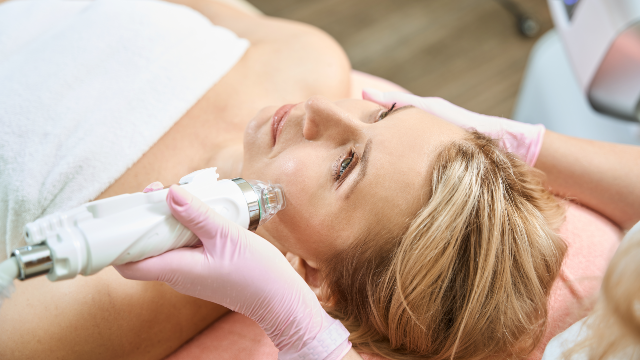
Radiofrequency microneedling gets there mechanically. Fine needles pass through the surface and deliver radiofrequency energy at depth. The epidermis is punctured rather than ablated, and most of the heat is placed below it.
Laser resurfacing, in general terms, gets there optically. Light is absorbed by the tissue, and in ablative treatments the surface layer is removed so that the skin heals from underneath. The American Academy of Dermatology's accounts of laser treatment for scars and microneedling to fade scars set the two approaches side by side for one shared indication, which is a useful way to see how they differ without the marketing.
That difference in route is where almost everything else comes from — the downtime, the pigment considerations, the number of sessions.
What the clinic says Secret RF is for
Goodline Plastic Surgery describes candidates as adults with concerns such as acne scars, enlarged pores, uneven texture, fine lines or mild skin laxity, where the skin is suitable for treatment.
That is a texture list with one structural item at the end. Acne scars, pores and uneven texture are surface-quality problems; mild skin laxity is a firmness problem, and the word doing the work there is mild.
The clinic also names who should wait: treatment may need to be postponed for active skin infection, significant inflammation, poor wound healing, certain implanted electronic devices, or conditions and medications that increase treatment risk.
Implanted electronic devices appear on that list because the treatment delivers electrical energy. If you have a pacemaker or an implantable defibrillator, this is not a detail to raise at the end of the appointment; MedlinePlus has a general overview of pacemakers and implantable defibrillators and the relevant question is simply whether the treating clinician knows.
Session length and comfort
The clinic describes a Secret RF session as commonly taking approximately thirty to sixty minutes, depending on the treatment area and settings, with topical numbing cream commonly applied beforehand. Discomfort is described as mild to moderate, with heat or prickling possible.
Topical numbing is the only anesthesia described. There is no sedation, no fasting, no recovery room — which is why this category of treatment gets booked casually, and why the postponement list above is worth reading before it is.
Recovery is where the two diverge most
For Secret RF the clinic describes redness and warmth commonly lasting the first day or two, with mild swelling, dryness or sensitivity continuing for several days, while collagen remodeling continues for weeks. Common temporary effects are listed as redness, swelling, warmth, tenderness, dryness and small marks at the needle sites.
Ablative laser resurfacing, in general, asks for more than that. The point of removing the surface layer is that the skin regrows, and regrowing takes time during which the skin is raw, weeping or crusted depending on depth. Non-ablative laser treatments sit closer to the microneedling experience. This is the practical reason the two are not interchangeable on a short trip: one has you presentable in days and the other may not.
Neither is a same-day treatment in terms of result. The clinic describes skin texture as possibly looking improved after the early healing period, with collagen-related improvements developing progressively over the following weeks, and the final result continuing to develop for several weeks to months as new collagen forms. It adds that multiple sessions may be recommended depending on the concern.
Risks, and the one that is specific to energy devices
The clinic's risk list for Secret RF names burns, prolonged redness, infection, pigmentation changes, scarring and textural changes — and then adds a sentence that is more useful than the list: incorrect settings can increase the risk of thermal injury.
That is an unusually direct statement, and it is the key to how this class of treatment is actually made safe. The device does not decide the depth or the energy. A person does. The clinic describes risk reduction as appropriate skin assessment, individualized RF settings, sterile technique, correct needle depth and proper aftercare — three of those five being decisions made by the operator before anything touches the skin.
Pigmentation change deserves its own note for anyone with deeper skin tones, because it is the complication that both energy-based categories share and the one that is hardest to undo. MedlinePlus covers skin pigmentation disorders in general terms; the question to ask is specific, and it is whether the operator has set this device for skin like yours before.
The US Food and Drug Administration's page on microneedling devices is worth reading for what it says about where the regulatory line sits in this category — a different question from whether a treatment works, and one that consumer marketing tends to blur.
Preparing, which is more restrictive than people expect
The clinic asks that the provider be told about medications, skin conditions, previous procedures and any implanted devices, that you arrive with clean skin, and that you follow the clinic's preparation instructions. Beforehand it asks you to avoid excessive sun exposure, tanning and irritating skincare treatments, and to follow instructions regarding retinoids, acids and other active products.
The sun instruction is the one that conflicts with travel. Arriving in Seoul after a holiday, or spending the two days before the appointment walking around a city in July, is exactly the exposure being described. MedlinePlus has a short overview of sun exposure and the practical version is simpler: tanned skin is treated differently, and sometimes not treated.
The retinoid and acid instruction catches people with good skincare routines. Stopping actives is not a suggestion dressed up as an instruction; it changes how the skin responds to energy.
Aftercare runs the same direction and for longer. Skin that has just been through controlled injury is skin whose pigment response is unsettled, and the weeks after a session are not the weeks to spend outdoors without protection. The clinic names proper aftercare among the measures that reduce risk, which is a polite way of saying that part of the outcome is assigned to you.
There is a scheduling consequence that follows from all of this and is easy to miss. If the treatment asks you to avoid sun before and after, and the trip is the reason you are in a sunny place at all, then the appointment wants to sit at a particular point in the itinerary rather than wherever a slot happened to be free. Sightseeing first and treatment last is the wrong order. The reverse has its own problem, since the days immediately afterwards are the sensitive ones. Neither arrangement is ideal, which is itself the useful finding: an energy-based skin treatment is a poor fit for a short holiday and a reasonable fit for a trip built around treatment.
What the clinic offers across its treatment areas is set out under about the clinic, and appointments start from the contact page.
Choosing between them, honestly
A few propositions that follow from the above, with their basis attached.
If the complaint is acne scarring, both are candidates. The clinic names acne scars first among Secret RF concerns, and the dermatology literature cited above treats laser and microneedling as alternatives for the same indication. Which suits you is a skin-assessment question.
If the trip is short, the recovery profile decides. Secret RF is described with redness and warmth for a day or two and sensitivity for several days. Ablative laser work generally asks for more, and that is not a detail you can negotiate around a flight.
If the complaint is substantial laxity, neither is the answer. The clinic's wording is mild skin laxity, and mild is a limit, not modesty.
If you have an implanted electronic device, say so before anything else. It is on the postponement list for a physical reason.
If you want one appointment and a finished result, adjust the expectation rather than the treatment. Multiple sessions may be recommended, and collagen takes weeks to months regardless of which route provoked it.
Frequently Asked Questions
How long is a Secret RF session?
The clinic describes approximately thirty to sixty minutes, depending on the treatment area and the settings used, with topical numbing cream commonly applied first.
How much downtime should I plan?
The clinic describes redness and warmth commonly for the first day or two, with mild swelling, dryness or sensitivity continuing for several days. Small marks at the needle sites are listed among common temporary effects.
Is it painful?
Mild to moderate discomfort, heat or prickling can occur, according to the clinic, with topical numbing cream commonly used to improve comfort. No other anesthesia is described.
How many sessions will I need?
The clinic says multiple sessions may be recommended depending on the concern, without committing to a number. That is an assessment question rather than a menu item.
When will I see a difference?
Skin texture may begin to look improved after the early healing period, with collagen-related improvements developing progressively over the following weeks and results continuing to develop for several weeks to months.
Can I have this if I have a pacemaker?
Certain implanted electronic devices are named among reasons treatment may need to be postponed. Tell the provider before anything is planned; the clinic lists implanted devices among what should be disclosed.
Is it suitable for darker skin tones?
Pigmentation changes appear on the risk list, as they do for energy-based treatments generally. The relevant question is about the operator's experience with your skin type and the settings they would use.
Should I stop my retinoid first?
The clinic asks that you follow the provider's instructions regarding retinoids, acids and other active products, and avoid irritating skincare treatments beforehand. Ask how far in advance, because the answer varies.
The Bottom Line
- Both treatments provoke collagen in the dermis; they differ in route, with radiofrequency microneedling delivering energy through fine needles and laser resurfacing working optically, often by removing the surface layer.
- Goodline Plastic Surgery describes Secret RF candidates as adults with acne scars, enlarged pores, uneven texture, fine lines or mild skin laxity — a texture list with one limited structural item.
- Recovery after Secret RF is described as redness and warmth for a day or two with sensitivity for several days, which is generally shorter than ablative laser resurfacing asks for.
- The clinic states that incorrect settings can increase the risk of thermal injury, which makes operator judgment, not the device, the thing to ask about.
- Implanted electronic devices, active infection, significant inflammation and poor wound healing are named reasons to postpone, and recent sun exposure or active skincare products can also delay treatment.
This article is for general informational purposes and does not constitute individualized medical advice. It is not a self-diagnosis tool. Nothing here can establish whether your skin is suitable for an energy-based treatment or which device would suit it. Only a qualified plastic surgeon or other clinician who has assessed your skin can determine that, and blistering, spreading redness, severe pain or signs of infection after any energy-based treatment should be assessed promptly where you are.
References
- US Food and Drug Administration — Microneedling Devices
- American Academy of Dermatology — Microneedling to Fade Scars
- American Academy of Dermatology — Laser Treatment for Scars
- American Academy of Dermatology — Cosmetic Treatment Safety
- MedlinePlus — Scars
- MedlinePlus — Acne
- MedlinePlus — Skin Pigmentation Disorders
- MedlinePlus — Sun Exposure
- MedlinePlus — Pacemakers and Implantable Defibrillators
More Articles
Continue reading our clinical guides.

Revision Rhinoplasty in Seoul: What US Patients Should Know
Revision rhinoplasty in Seoul for US patients: why secondary nose surgery is harder, what recovery looks like, honest expectations, and Goodline's plan.
Learn More
Rejuran vs RE20 vs Juvelook Volume: Skin Boosters Compared
Three injectables that look alike on a clinic menu and solve three unrelated problems. Hydration, repair and volume differ in timeline and in results.
Learn More

Primary vs Revision Rhinoplasty: The Differences That Matter
A second nose operation is not the first one repeated. Scar tissue, longer operating time and a result that takes a year change what you should expect.
Learn More